Abdominal bloating and trapped gas are frequently driven not only by diet, but by sympathetic nervous system dysregulation. Under stress, the body diverts blood flow away from the digestive tract, slowing intestinal peristalsis and causing painful gas pockets and distension.
Specific yoga postures act as internal visceral massage: alternating gentle abdominal compression with elongation helps mechanically guide trapped gas through the ascending, transverse, and descending colon, while deep diaphragmatic breathing activates the vagal parasympathetic system to restore healthy digestion. Here are 5 clinician-recommended poses.
Clinical Golden Rule
Never force through sharp, radiating, or electric pinch sensations. Therapeutic recovery relies on parasympathetic safety signals: keep movement within 60% of your maximum range, breathe softly through your nose, and prioritize joint decompression over extreme flexibility.
Step-by-Step 5-Pose Therapeutic Protocol
Wind-Relieving Pose (Pavanamuktasana)

Figure 1: Direct mechanical compression of the colon to release trapped gas.
Lie on your back on a comfortable mat. Inhale, then as you exhale, draw your right knee tightly in toward your right ribcage, clasping your shin with both hands. This specifically compresses the ascending colon. Hold for 8 deep belly breaths, feeling your belly press into your thigh. Release, then repeat with the left knee to compress the descending colon, and finally hug both knees together.
Supported Wide-Knee Child's Pose (Balasana)

Figure 2: Complete abdominal relaxation and pelvic floor softening.
Kneel with your knees as wide as your mat and big toes touching. Sink your hips back onto your heels and walk your hands forward, resting your forehead on the floor or a pillow. Let your belly hang softly between your thighs with zero muscular contraction. This relieves intra-abdominal pressure and allows the enteric nervous system to relax.
Supine Belly Twist (Jathara Parivartanasana)
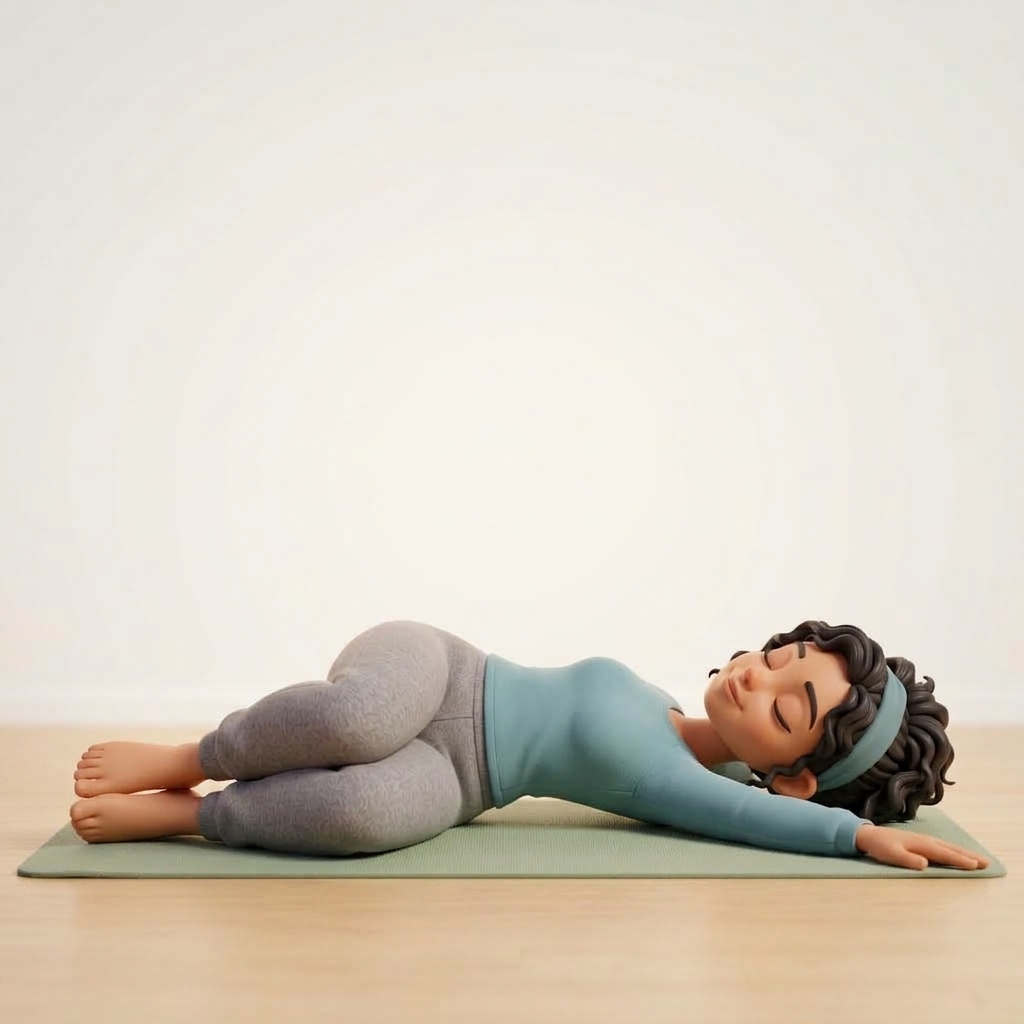
Figure 3: Visceral torsion promoting bowel motility and intestinal circulation.
Lie on your back with knees bent at 90 degrees. Extend your arms wide to the sides. Slowly lower both knees to the right side, resting them on the floor or a pillow. Turn your head to the left. The gentle twist wrings out the visceral organs, stimulating peristaltic waves along the gastrointestinal tract.
Supported Bridge Pose (Setu Bandha Sarvangasana)

Figure 4: Opening the digestive tract and reversing gravitational pressure.
Lie on your back with knees bent and feet flat on the floor. Lift your hips and slide a yoga block or firm pillow under your sacrum (low back/pelvis). Rest your hips completely on the prop. Elevating the pelvis above the stomach creates gravitational drainage and expands the abdominal cavity, relieving uncomfortable fullness.
Seated Forward Hinge with Fist Compression
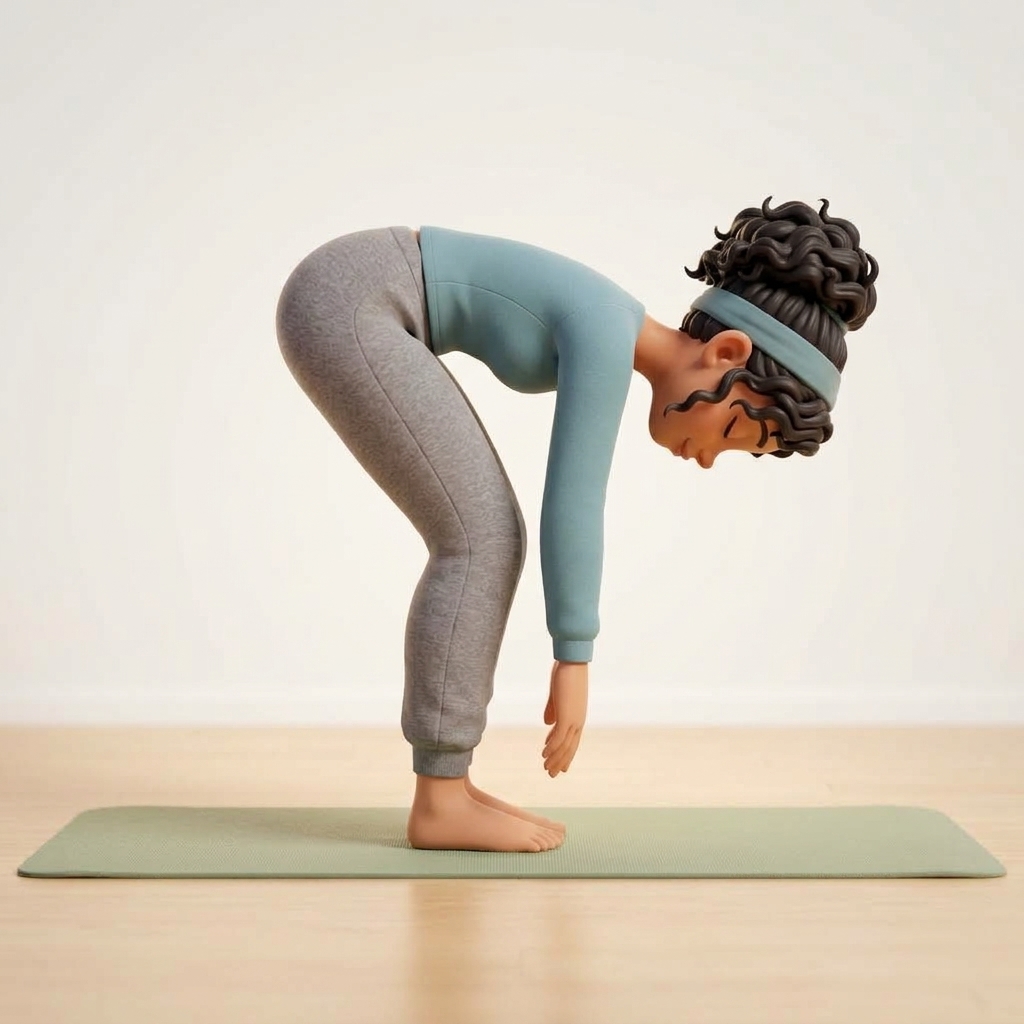
Figure 5: Gentle manual pressure to mobilize deep intestinal gas pockets.
Sit on a chair or cross-legged on the floor. Make loose fists with both hands and place them gently on your lower abdomen, just inside your hip bones. Inhale tall, then exhale as you hinge forward over your fists. The gentle pressure massages the colon and encourages gas movement.
Frequently Asked Questions
How quickly do yoga poses relieve trapped gas and bloating?
Poses like Pavanamuktasana (Wind-Relieving Pose) often bring audible relief within 5 to 10 minutes by physically aligning the colon and lowering sphincter tone.
Why does stress make bloating worse?
The gut and brain are connected via the vagus nerve (the gut-brain axis). Sympathetic stress shunts blood away from the digestive tract, causing intestinal spasms, dysmotility, and painful trapped gas.
Should I drink water before doing yoga for bloating?
Sip a cup of warm water or peppermint/ginger tea 10 minutes before practicing to help relax smooth intestinal muscles, but avoid drinking large quantities of cold water right before bending.
← Check Your Desk Setup Specs Calm Your Nervous System with Box Breathing →