 Tar Pit Yoga
The Science of Somatic Breathing: Why Lung Pacing Halts Chronic Pain
When people experience chronic lower back pain, neck stiffness, or RSI forearm burning, their natural breathing subconsciously shifts into shallow, apical chest breathing.
The Pain Cycle: Shallow breathing triggers the sympathetic nervous system ("fight-or-flight"). In response, the body releases epinephrine and norepinephrine, which causes peripheral vasoconstriction—restricting capillary oxygen flow to the lumbar muscles and forearm tendons. As documented in Dr. John Sarno's Tension Myositis Syndrome (TMS) research, mild oxygen deprivation (ischemia) generates intense muscular aching and trigger point spasms.
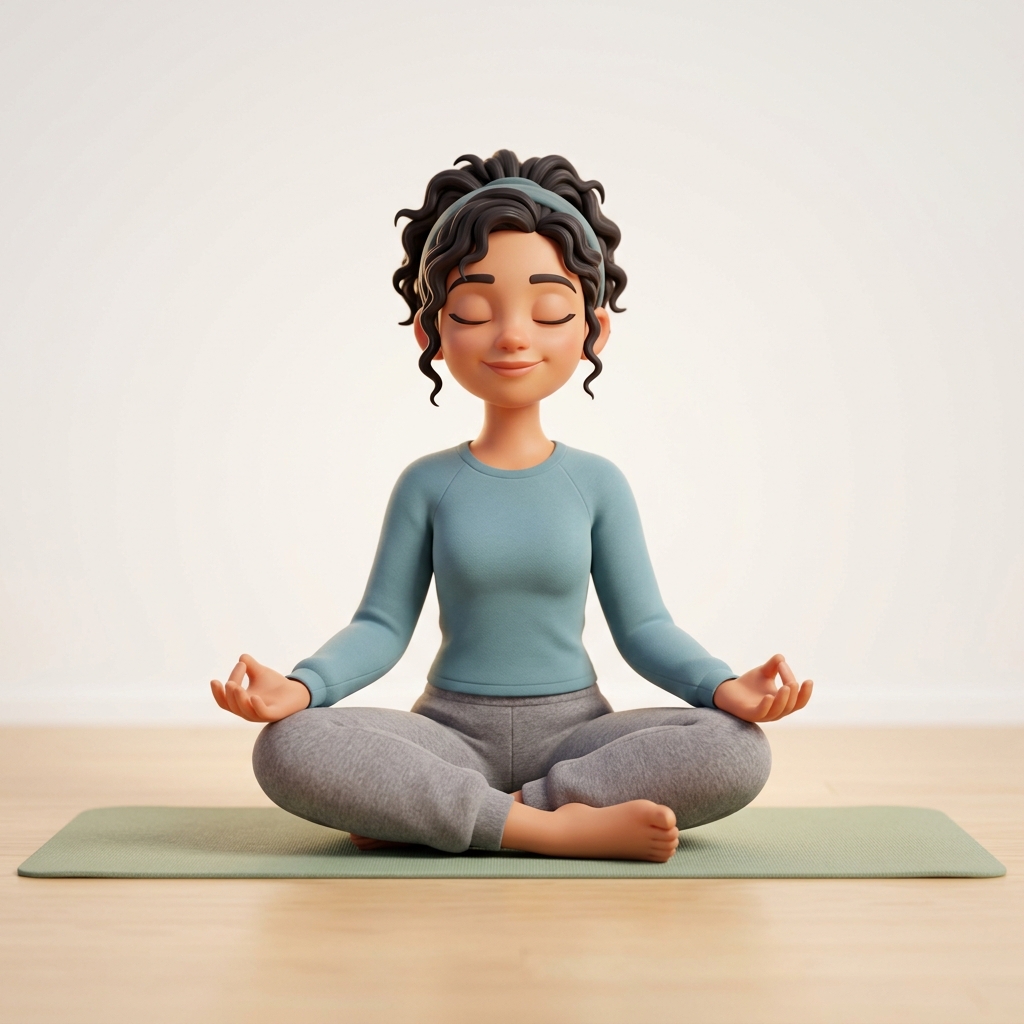
Diaphragmatic Belly Rule: Breathe into the lower belly and ribs, not the shoulders. On every inhale, the belly expands like a balloon; on exhale, it softens.
Comparison of the 4 Guided Breathing Cadences
📦 Navy SEAL Box Breathing
4s Inhale • 4s Hold • 4s Exhale • 4s HoldUsed by elite special operators and first responders to prevent sensory tunnel-vision under acute stress. Equalizing all 4 phases balances carbon dioxide and oxygen levels in the blood, halting panic and mental overwhelm.
🌙 Dr. Andrew Weil's 4-7-8 Breath
4s Inhale • 7s Hold • 8s ExhaleA natural tranquilizer for the nervous system. By prolonging the exhalation to exactly twice the duration of inhalation, the vagus nerve floods the cardiovascular system with acetylcholine, dropping blood pressure and relaxing tight traps.
🌊 Coherent / Resonant Breathing
5s Inhale • 5s Exhale (6 Breaths/Min)Scientifically proven by heart rate variability (HRV) researchers to sync cardiac rhythm with respiration. Maximizes autonomic nervous system resilience and mental clarity.
⚡ Calm Awake Cadence
4s Inhale • 2s Hold • 4s Exhale • 2s HoldA balanced, daytime computer-worker rhythm. Releases postural tension between typing sessions without inducing sleepiness.
How to Breathe with Your Diaphragm (The 2-Hand Test)
- Place your left hand on your chest and your right hand on your belly just above your navel.
- Inhale slowly through your nose. Your right hand (belly) should rise significantly, while your left hand (chest) stays completely still.
- Exhale slowly through slightly parted lips. Feel your right hand sink gently backward toward your spine.
- If your top hand (chest) is lifting upward toward your chin, your neck muscles (scalenes and sternocleidomastoids) are doing the work of your diaphragm! Relax your neck, drop your shoulders down, and let your belly do the breathing.
Slouching in an unsupportive chair compresses the diaphragm and forces chest breathing.
→ Calibrate Your Desk: Check your chair pan and desk height on our Interactive Ergonomic Desk Calculator, or loosen tight hip flexors with our Anterior Pelvic Tilt Exercises.
← 5 Restorative Poses for Back Pain How to Relieve Desk RSI →