Poor posture is rarely a failure of willpower or discipline. When you spend 8+ hours seated in front of digital displays, neuromuscular adaptation occurs: the pectoralis and hip flexors physically shorten, while the rhomboids, lower trapezius, and glutes become neurologically inhibited (Sensory-Motor Amnesia).
Constantly 'bracing' yourself to sit up straight burns through energy and creates secondary paraspinal fatigue. The clinical solution is structural postural yoga: opening tight anterior fascia while waking up dormant posterior stabilizers. Here is the 5-step daily routine.
Clinical Golden Rule
Never force through sharp, radiating, or electric pinch sensations. Therapeutic recovery relies on parasympathetic safety signals: keep movement within 60% of your maximum range, breathe softly through your nose, and prioritize joint decompression over extreme flexibility.
Step-by-Step 5-Pose Therapeutic Protocol
Supported Sphinx Pose with Thoracic Extension

Figure 1: Passive cervical and thoracic realignment without lumbar pinch.
Lie face down on your mat. Prop yourself up on your forearms with elbows directly under your shoulders, palms facing down. Press into your forearms to gently draw your chest forward between your upper arms. Keep your neck long and chin level with the floor. This gently reverses hours of slumped kyphosis by restoring the natural lumbar and cervical lordotic curves.
Wall Angels with Scapular Retraction
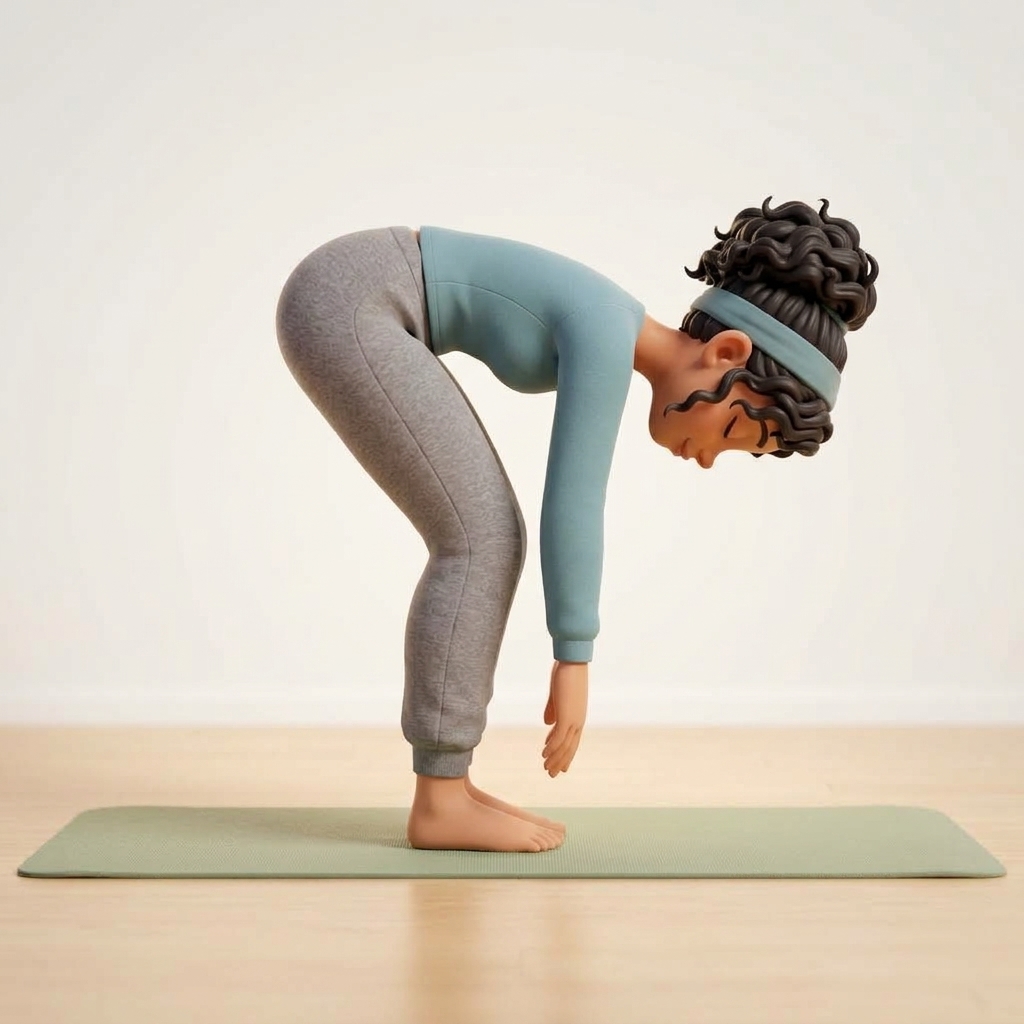
Figure 2: Active neuromuscular firing of the lower trapezius and serratus.
Stand with your heels 4 inches from a wall, resting your buttocks, upper back, and head against the wall. Bring your arms to a 'W' position with elbows and wrists touching the wall. Slowly slide your arms upward toward a 'Y' shape, keeping contact with the wall, then slowly slide back down while squeezing your shoulder blades together.
Kneeling Chest Opener at Table or Block (Puppy Pose)
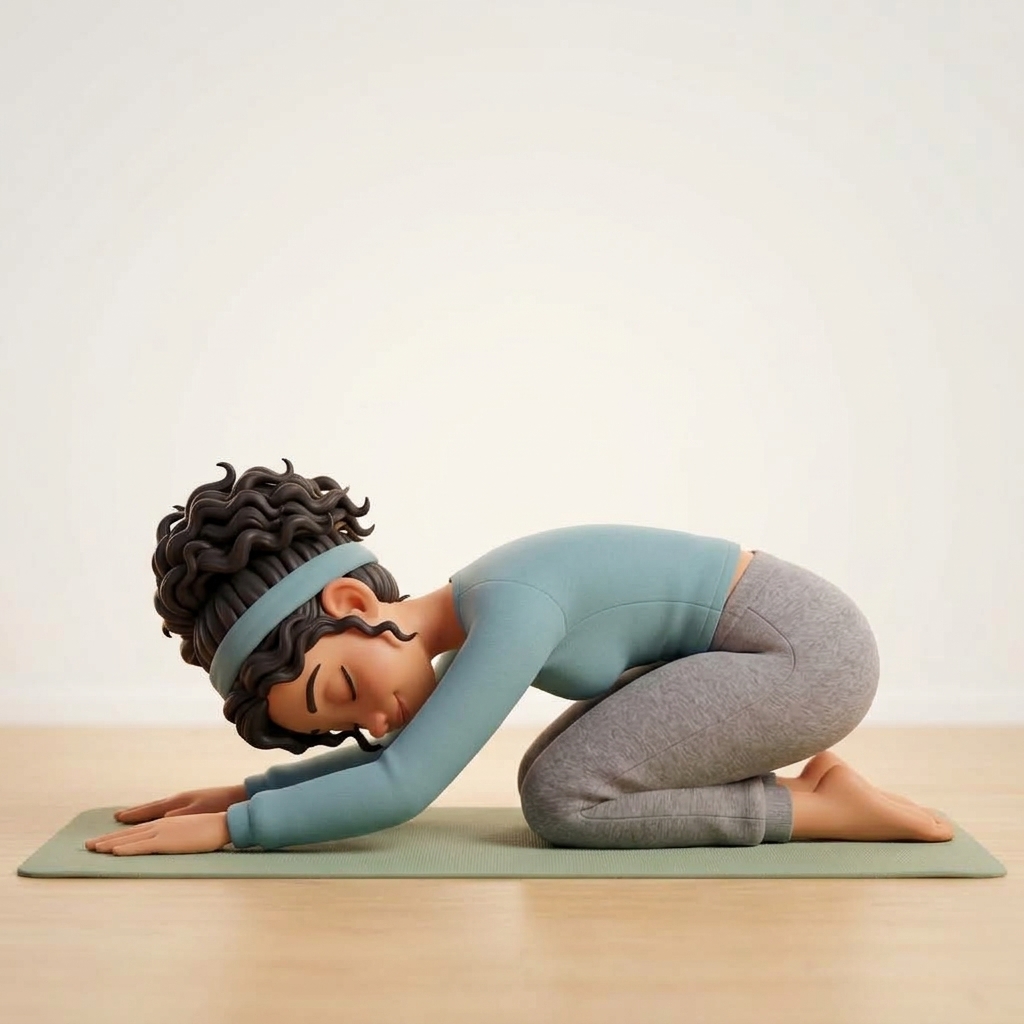
Figure 3: Deep fascial release of the latissimus dorsi and pectorals.
Kneel on your mat facing a chair or yoga blocks. Place your elbows on the surface, bringing your palms together in prayer. Hinge your hips backward, letting your heart and head melt toward the floor between your arms. Bend your elbows so your thumbs point toward the base of your neck. This provides deep thoracic decompression and opens tight chest fascia.
Supine Bridge Pose with Glute Activation

Figure 4: Re-activating the posterior chain to counteract anterior pelvic tilt.
Lie on your back with knees bent and feet flat on the floor, hip-width apart. Drive through your heels to lift your hips toward the ceiling until your knees, hips, and shoulders form a straight diagonal line. Clasp your hands under your back if comfortable, rolling your shoulders under. Squeeze your glutes at the top to re-establish posterior pelvic stability.
Reclining Spinal Twist with Cactus Arms
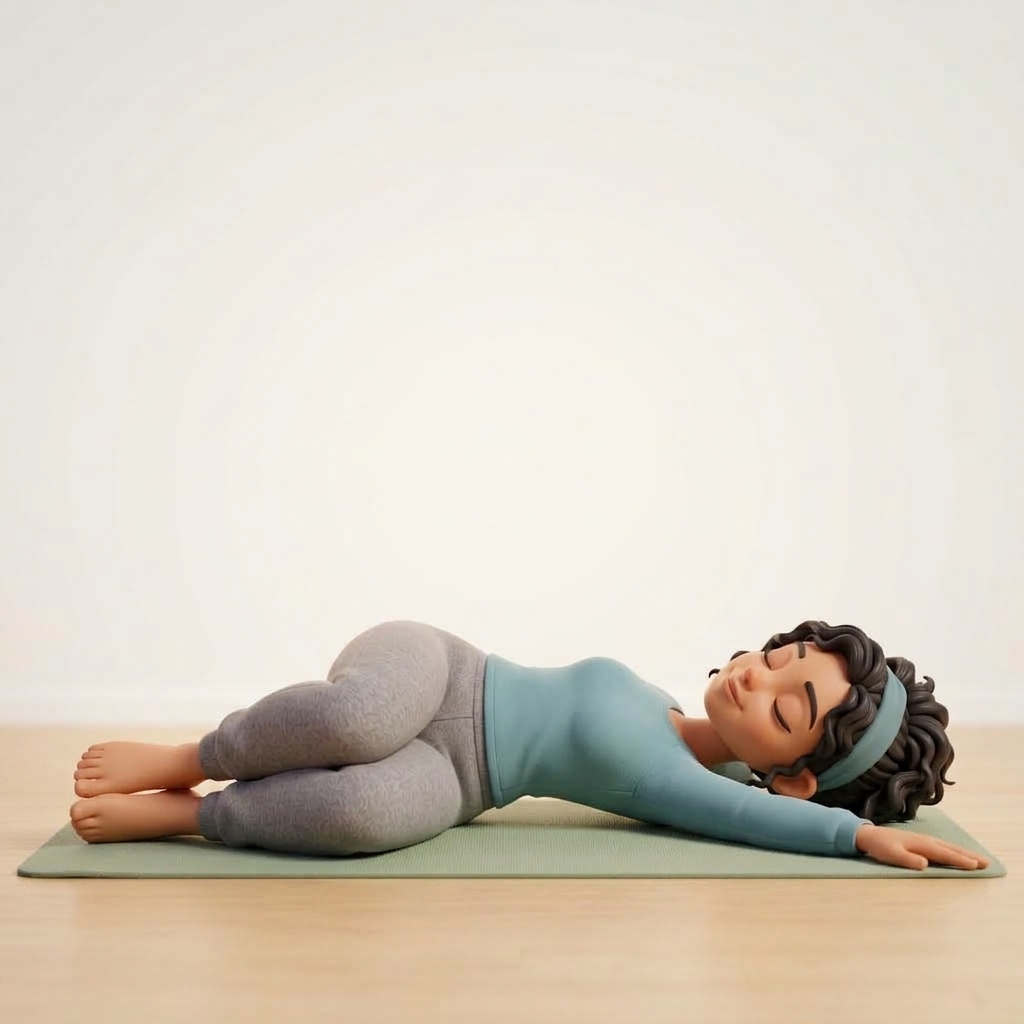
Figure 5: Unwinding asymmetrical rotatory tension throughout the ribs and spine.
Lie flat on your back. Bend your knees and drop them softly to the right side. Open your arms into a cactus (90-degree) shape on the floor, turning your head to the left. Take deep breaths into your left collarbone and ribs, releasing rotational torque and opening the anterior shoulder capsule.
Frequently Asked Questions
How quickly can posture yoga fix rounded shoulders?
You will feel immediate relief from neck tension after a single 10-minute session. Structural fascial remodeling and automatic postural endurance typically take 6 to 8 weeks of consistent daily practice.
Why does forcing myself to sit straight cause back pain?
Forcing good posture relies on conscious paraspinal muscle contraction, which quickly leads to muscle fatigue, oxygen deprivation (ischemia), and spasm. True posture is an unconscious equilibrium restored through mobility and balanced stabilizer tone.
Can I test my current posture at home?
Yes! Use our free 4-step interactive Posture Test Assessment on this site to measure forward head tilt, rounded shoulders, and pelvic angle in under 2 minutes.
← Check Your Desk Setup Specs Calm Your Nervous System with Box Breathing →