As we age, getting down to the floor and back up can place unnecessary torque on arthritic knees, hips, and spinal discs. Chair yoga adapts time-tested restorative poses into a secure, fully seated format that provides all the benefits of traditional yoga—lubricating joint capsules, decompressing the lumbar spine, and calming the nervous system—with zero fall risk.
This clinician-approved sequence is designed specifically for seniors and individuals with reduced mobility. Use the Print / Save PDF button below to print out this clean visual reference card to keep next to your favorite sturdy chair.
Clinical Golden Rule
Never force through sharp, radiating, or electric pinch sensations. Therapeutic recovery relies on parasympathetic safety signals: keep movement within 60% of your maximum range, breathe softly through your nose, and prioritize joint decompression over extreme flexibility.
Step-by-Step 5-Pose Therapeutic Protocol
Seated Cat-Cow Spinal Wave

Figure 1: Rhythmic spinal articulation to lubricate the entire vertebral column.
Sit tall toward the front edge of a sturdy, armless chair with feet flat on the floor, hip-width apart. Rest your palms on your knees. Inhale as you gently arch your lower back, lift your chest, and look slightly upward (Cow Pose). Exhale as you round your spine, tucking your chin toward your chest and drawing your navel in (Cat Pose).
Seated Gentle Torso Twist (Ardha Matsyendrasana Chair)
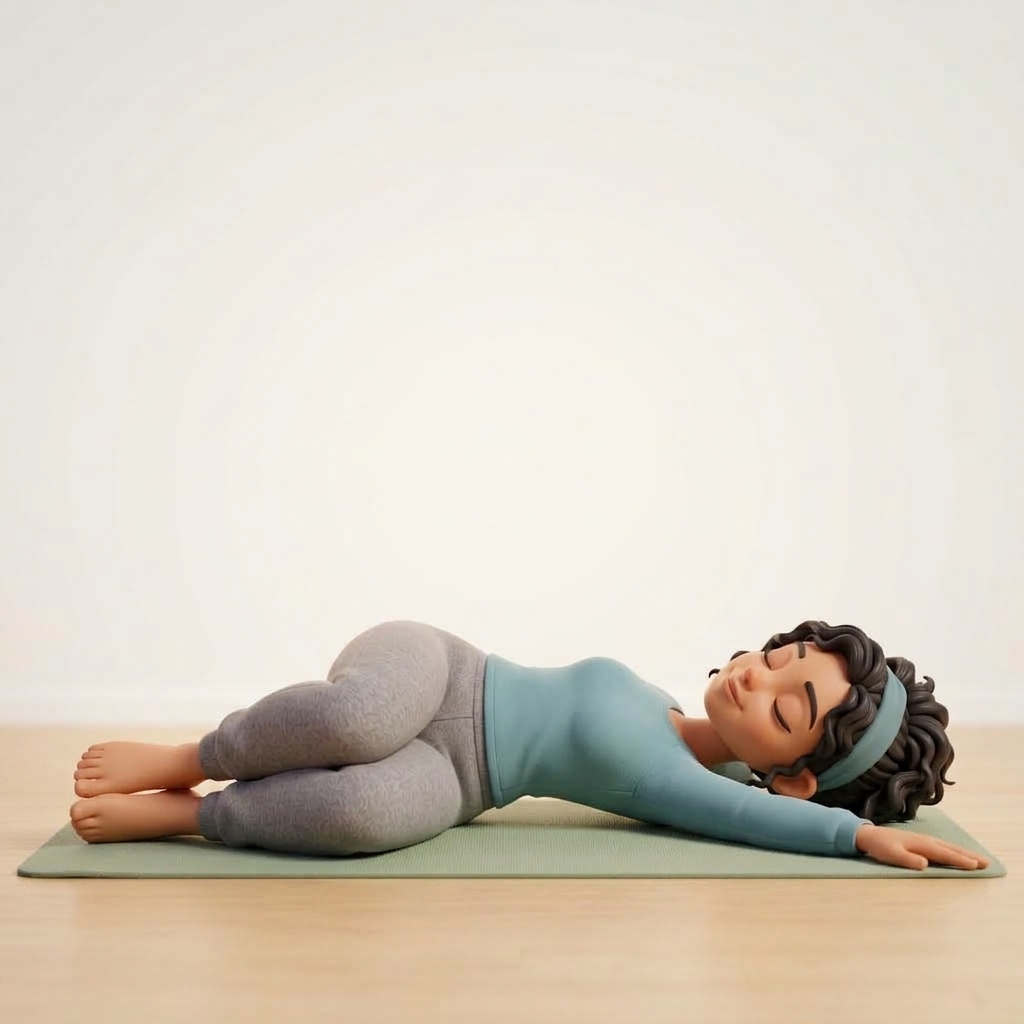
Figure 2: Gentle rotational mobility to relieve lower back stiffness.
Sit tall with both feet flat on the floor. Inhale to lengthen your spine toward the ceiling. As you exhale, gently rotate your torso to the right, placing your right hand on the back of the chair and your left hand on your outer right thigh. Turn your gaze over your right shoulder gently.
Seated Figure-4 Hip & Glute Opener (Pigeon Variation)

Figure 3: Relieving sciatic tension and opening tight outer hips.
Sit with feet flat. Lift your right leg and cross your right ankle over your left thigh just above the knee (flexing your right foot to protect the knee). Sit tall with a long spine. If you feel a mild stretch in your outer right hip, remain here. If you need more depth, gently hinge forward from your hips with a flat back.
Seated Forward Fold with Lap Support
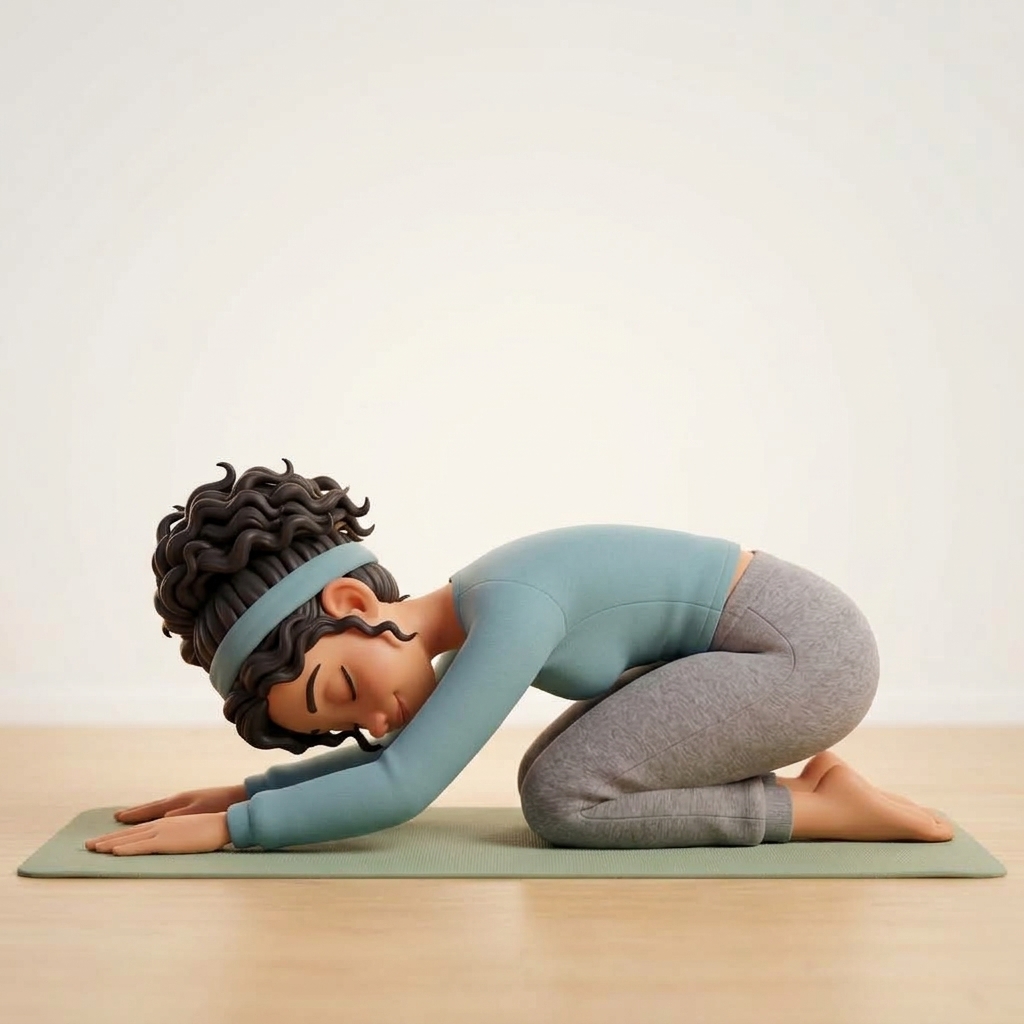
Figure 4: Decompressing the lower lumbar spine and calming the mind.
Widen your feet slightly wider than hip-width. Place a pillow or folded blanket across your lap. Inhale to lengthen your spine, then exhale as you slowly hinge forward from your hips, resting your chest down onto the pillow. Let your hands drape down toward your shins or feet, letting your head and neck hang relaxed.
Seated Mountain Pose with Diaphragmatic Breath (Tadasana Chair)
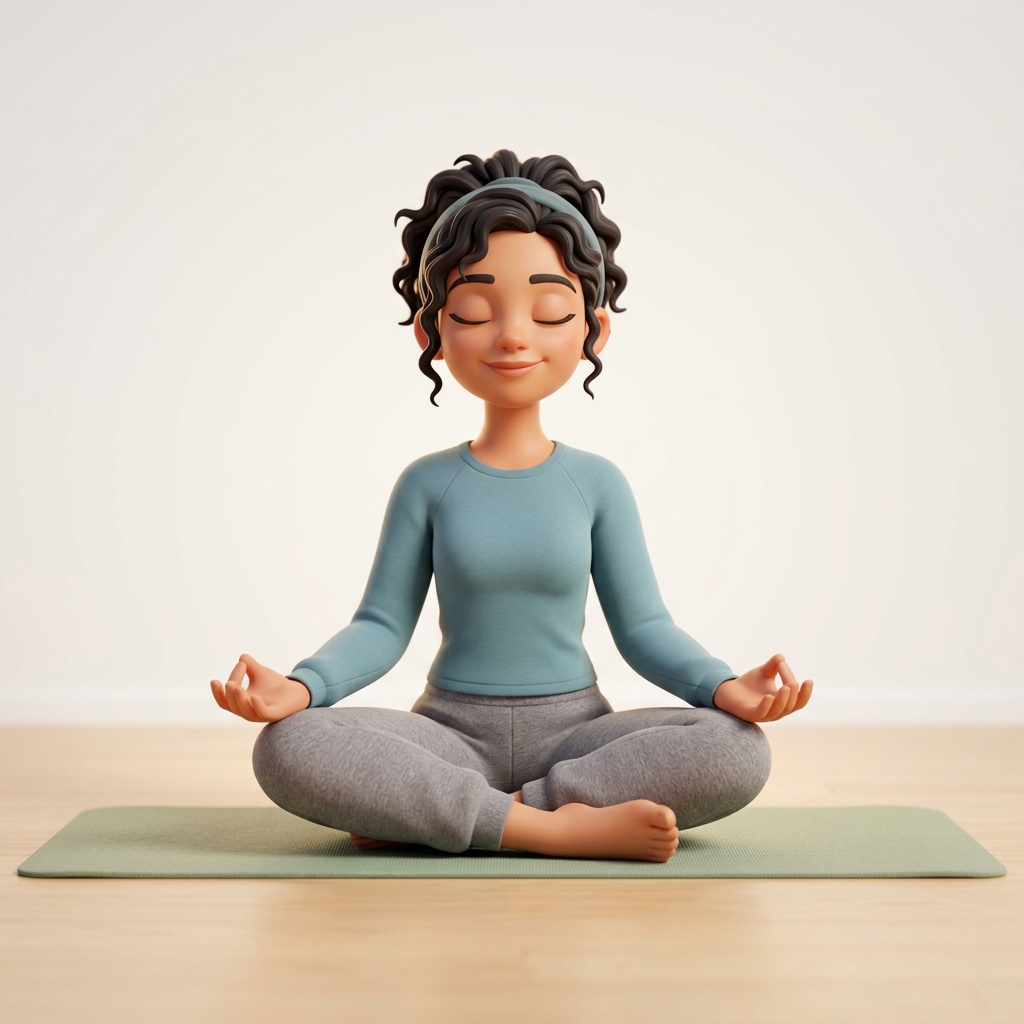
Figure 5: Restoring upright postural alignment and nervous system equilibrium.
Sit tall with feet grounded firmly under your knees. Rest your hands palm-up on your thighs. Draw your shoulder blades gently down and back, imagining a golden thread lifting the crown of your head toward the ceiling. Close your eyes and breathe into your lower belly for 4 counts, then exhale slowly for 6 counts.
Frequently Asked Questions
What kind of chair is best for senior chair yoga?
Use a sturdy, armless dining or folding chair with a flat, firm seat. Avoid chairs with wheels, rolling casters, deep reclining cushions, or arms that restrict your side-to-side hip movement.
How often should seniors practice chair yoga?
Daily practice of 10 to 15 minutes is ideal. Because seated poses are low-impact and joint-protective, daily repetition maintains synovial fluid circulation and prevents morning stiffness.
How do I print this chair yoga guide as a PDF handout?
Click the 'Print Routine / Save as PDF' button at the top or bottom of this page. In your browser's print dialog, choose 'Save as PDF' to save a clean visual copy to your phone or computer, or select your home printer.
← Check Your Desk Setup Specs Calm Your Nervous System with Box Breathing →