Partner yoga (often called AcroYoga or assisted stretching) transforms personal yoga practice into a collaborative experience of mutual support, non-verbal communication, and assisted traction. Having a partner provides gentle resistance and gravitational leverage that is impossible to achieve alone.
Whether practicing with a spouse, friend, or family member, these 5 beginner-friendly partner yoga poses prioritize safety, back decompression, and gentle hamstring opening with zero acrobatic risk.
Clinical Golden Rule
Never force through sharp, radiating, or electric pinch sensations. Therapeutic recovery relies on parasympathetic safety signals: keep movement within 60% of your maximum range, breathe softly through your nose, and prioritize joint decompression over extreme flexibility.
Step-by-Step 5-Pose Therapeutic Protocol
Back-to-Back Seated Breathing & Spinal Twist
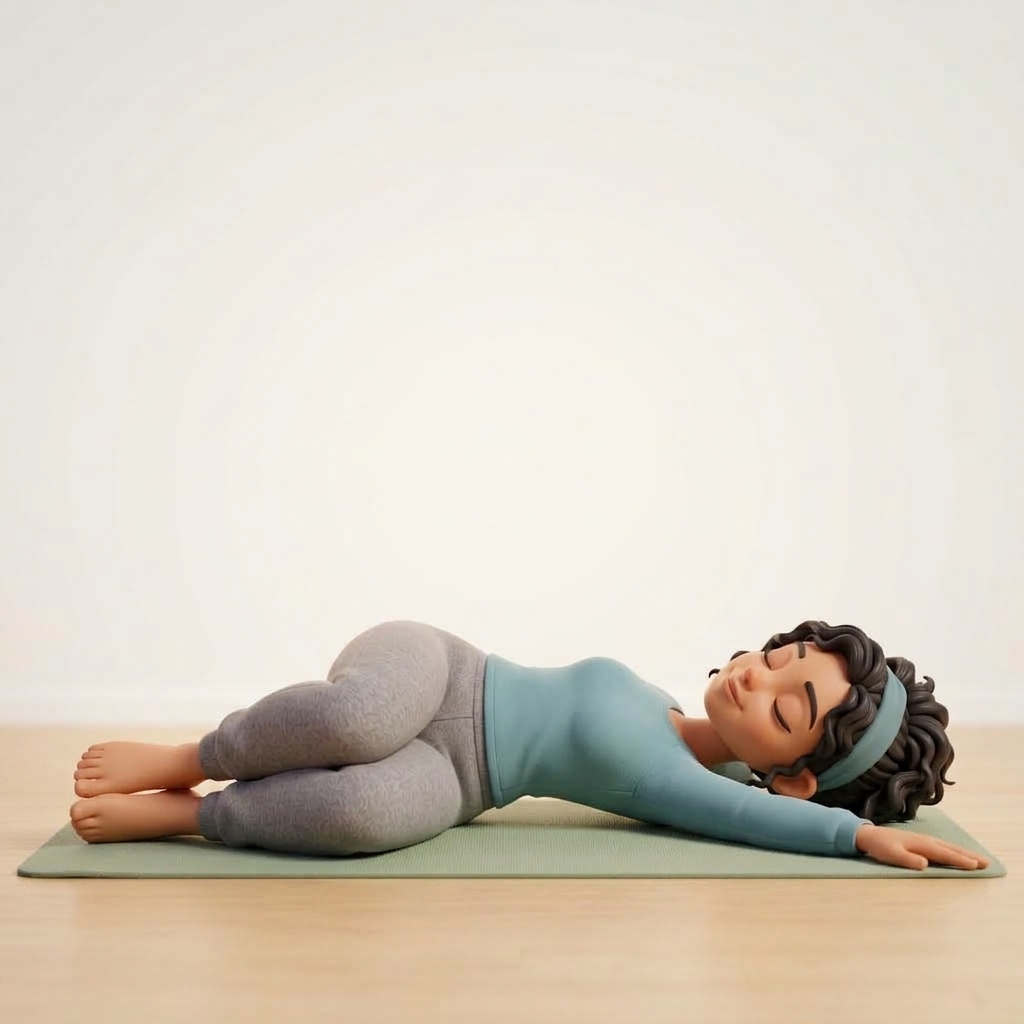
Figure 1: Grounding somatic connection and synchronized breath pacing.
Sit cross-legged back-to-back with your partner, feeling your spines in gentle contact from sacrum to shoulders. Feel each other's breath rhythm. Inhale to lengthen your spine. As you exhale, both turn gently to the right: place your right hand on your partner's left knee, and your left hand on your own right knee. Use gentle hand leverage to deepen the twist.
Partner Double Downward Dog (or Dog & Child's Pose)
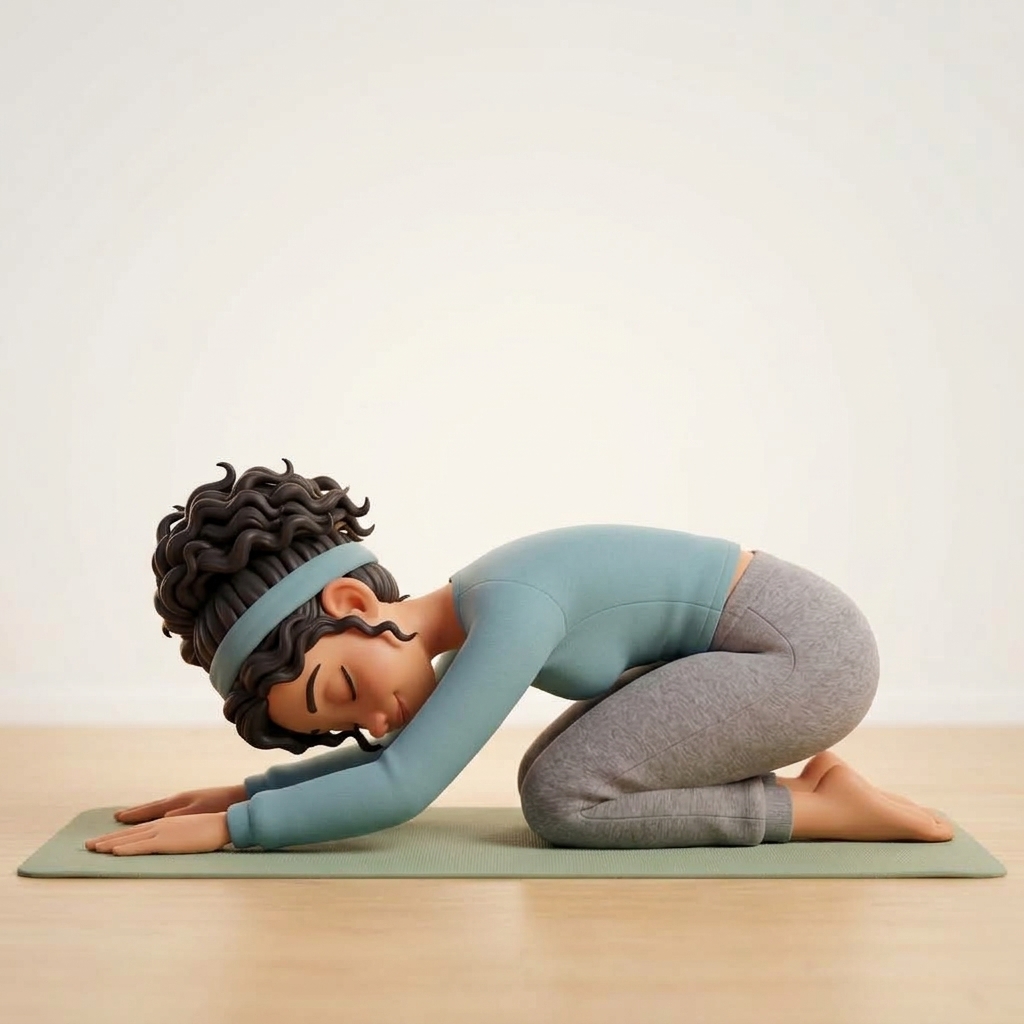
Figure 2: Restorative sacral traction providing lower back decompression.
Partner A relaxes into a wide-knee Child's Pose on the mat. Partner B stands behind Partner A's hips and places both palms gently on Partner A's lower back/sacrum. Partner B leans gentle body weight through straight arms down and backward toward Partner A's heels. This provides gentle lumbar traction that elongates compressed spinal discs.
Back-to-Back Alternating Forward Fold & Heart Opener

Figure 3: Collaborative chest opening combined with passive lumbar elongation.
Sit back-to-back with legs extended forward. Partner A folds forward from the hips over their legs. Partner B reclines back onto Partner A's spine, opening their chest and resting their head back on Partner A's shoulders. Partner B's body weight provides gentle, comfortable grounding for Partner A's hamstring stretch while Partner B receives a luxurious chest opening.
Partner Standing Forward Fold (Temple Pose)
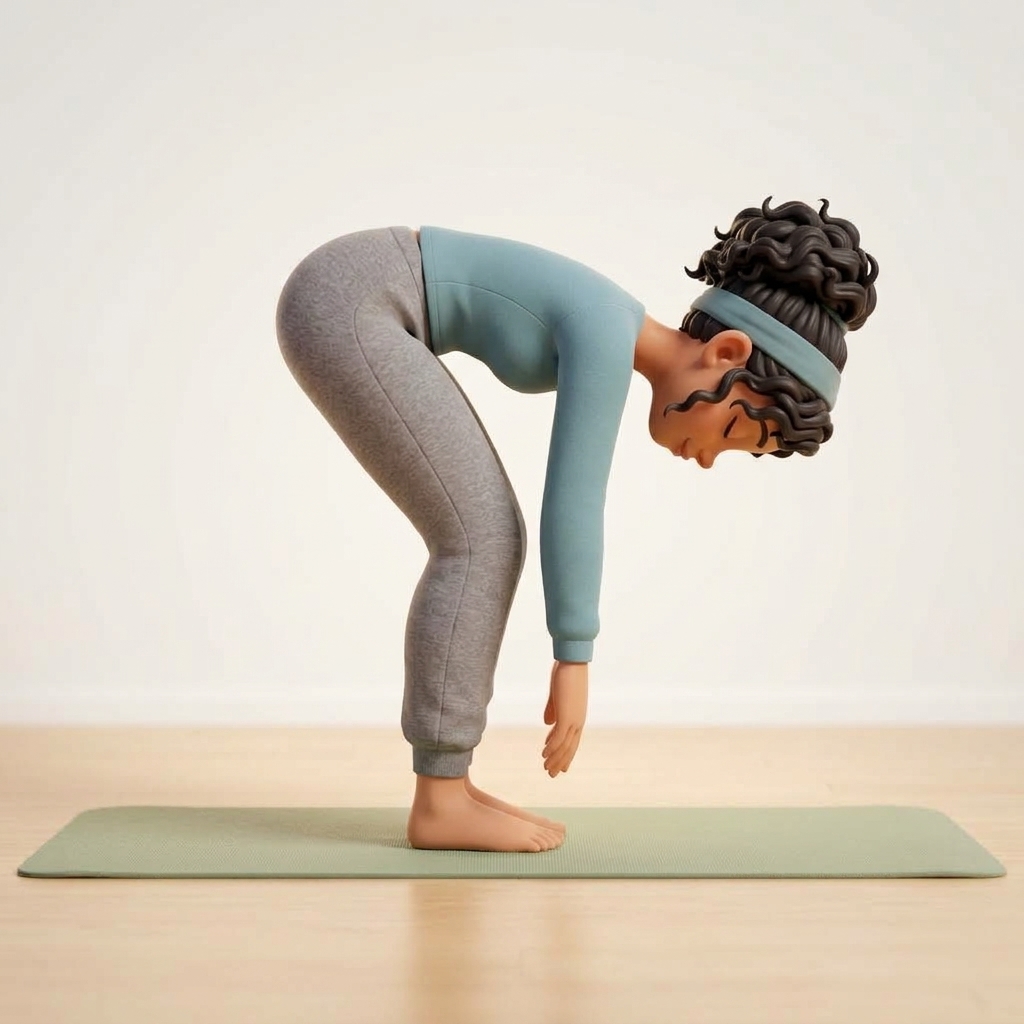
Figure 4: Mutual counter-balance providing thoracic and shoulder release.
Stand facing your partner about 3 to 4 feet apart. Raise arms overhead, hinge forward from your hips, and rest your hands or forearms against your partner's shoulders or elbows. Slowly walk your feet backward until both torsos are parallel to the floor, creating a supported 'A-frame' shape. Let your chest soften toward the floor.
Double Supported Legs-Up-the-Wall

Figure 5: Shared parasympathetic reset and lower extremity lymphatic drainage.
Lie on your backs with both sets of hips facing the same wall, swinging your legs up side by side. Place your arms out in a comfortable 'T' shape so your inner hands touch or clasp gently. Close your eyes and enjoy synchronized, effortless rest as gravitational venous return refreshes tired legs.
Frequently Asked Questions
Do we need prior yoga experience to do partner yoga?
Not at all. The 5 poses in this guide are grounded, gentle, and beginner-friendly. Unlike advanced AcroYoga, there is no aerial balancing or dangerous inverted gymnastics involved.
What if one partner is much taller or less flexible than the other?
Differences in size and flexibility are completely normal. Use yoga straps, blankets under the hips, and always adjust your distance and depth to accommodate the partner with less flexibility.
Can partner yoga help couples reduce stress together?
Yes. Shared non-verbal physical contact and synchronized breathing trigger oxytocin release, lower cortisol levels, and foster emotional safety and trust.
← Check Your Desk Setup Specs Calm Your Nervous System with Box Breathing →