Dysmenorrhea (period cramps) is triggered by elevated prostaglandins—inflammatory chemicals that stimulate uterine smooth muscle contractions. These intense contractions can temporarily restrict blood flow to uterine tissue (ischemia), radiating deep, dull aches into the lower back, hips, and thighs.
During menstruation, high-intensity exercise can feel exhausting. The clinical approach is restorative, passive yoga: poses that open the pelvic bowl, relax the pelvic floor, and restore microcirculation without elevating cortisol. Here are 5 soothing poses.
Clinical Golden Rule
Never force through sharp, radiating, or electric pinch sensations. Therapeutic recovery relies on parasympathetic safety signals: keep movement within 60% of your maximum range, breathe softly through your nose, and prioritize joint decompression over extreme flexibility.
Step-by-Step 5-Pose Therapeutic Protocol
Supported Reclining Bound Angle Pose (Supta Baddha Konasana)

Figure 1: Deep pelvic floor opening and lower abdominal decompression.
Place a bolster or stacked pillows lengthwise along your spine. Recline back onto the props with the soles of your feet touching and knees resting open to the sides. Crucially, support your outer knees with pillows or yoga blocks so your groin does not feel strained. Place your warm hands on your lower abdomen, breathing softly.
Supported Wide-Knee Child's Pose (Balasana)
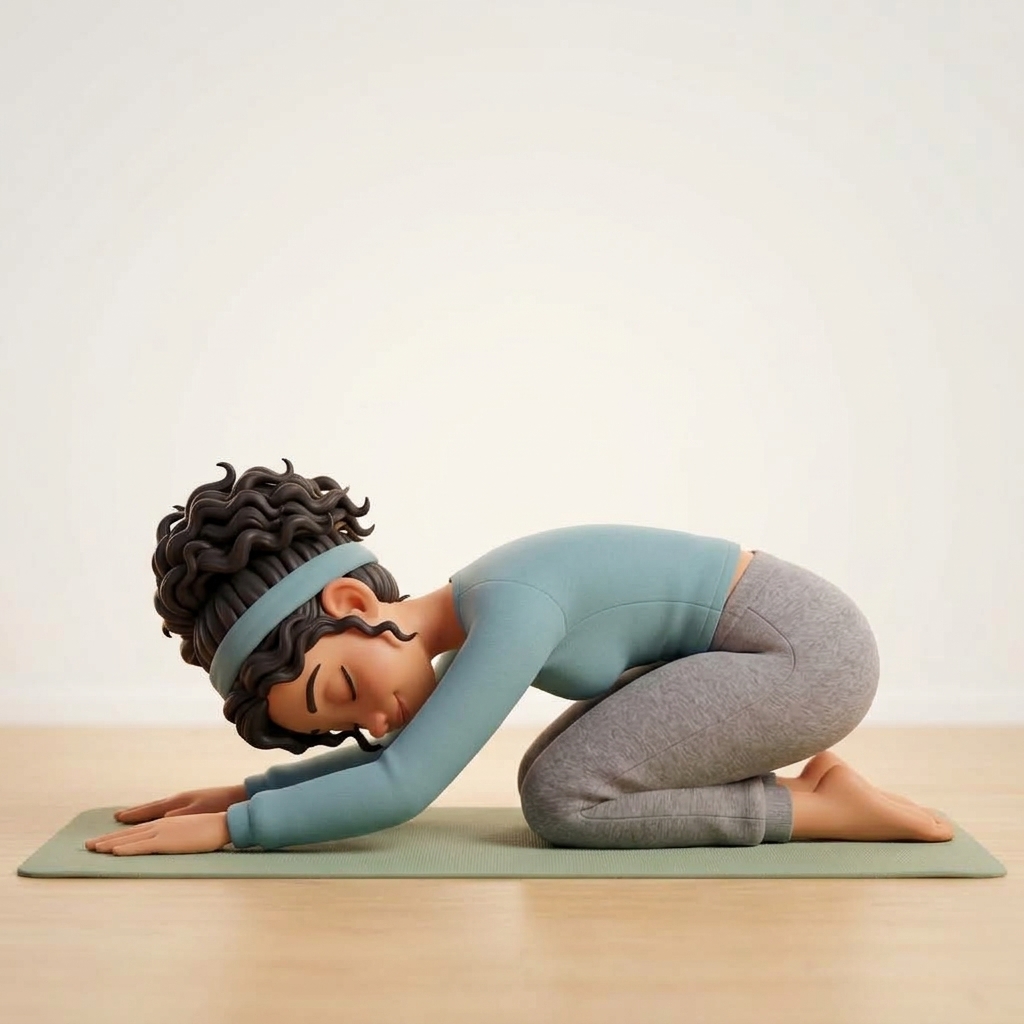
Figure 2: Decompressing the sacrum and lower back where menstrual aches radiate.
Kneel on your mat with knees wide. Pull a large pillow between your thighs and fold forward, resting your chest and cheek down onto the pillow. Wrap your arms around the pillow. This decompresses the lumbosacral plexus where pelvic nerves refer pain into the lower back.
Gentle Supine Single Knee Hug (Apanasana Light)

Figure 3: Safe lumbar release that avoids intense pelvic pressure.
Lie on your back on your bed or mat. Draw one knee toward your chest, keeping your opposite foot flat on the floor with knee bent. Hold your shin lightly. Avoid squeezing too tightly into your belly; allow comfortable space for deep, diaphragmatic belly breaths.
Restorative Legs-Up-the-Wall (Viparita Karani)

Figure 4: Draining pelvic congestion and calming the autonomic nervous system.
Sit close to a wall and swing your legs up against it, letting your torso and head rest flat on your mat. Elevate your pelvis slightly on a folded blanket. This gentle inversion drains pelvic venous pooling and calms sympathetic nervous system tone, naturally lowering uterine muscle spasms.
Supported Side-Lying Rest (Fetal Hug)
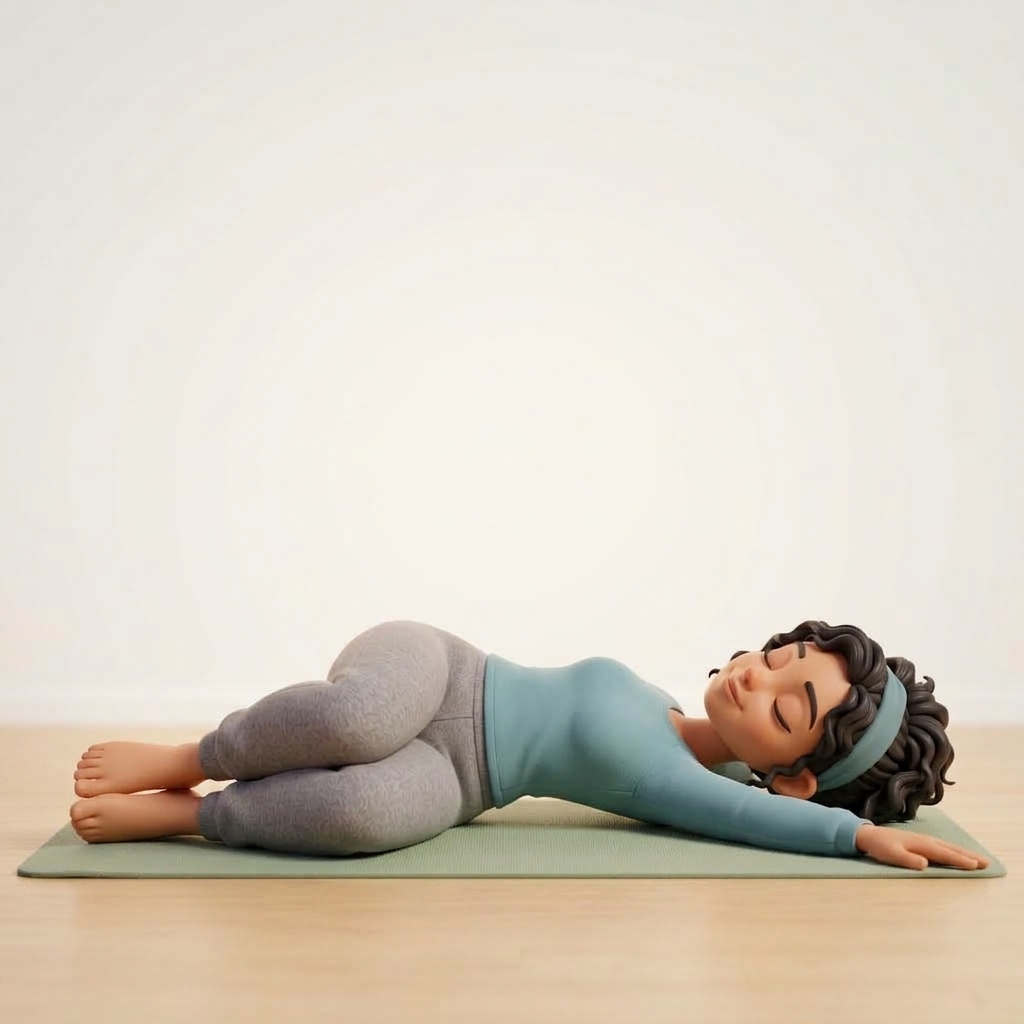
Figure 5: Somatic containment and comfort for heavy cramp flare-ups.
Lie on your most comfortable side. Place a thick pillow between your knees and hug a second pillow tightly against your chest and stomach. This creates gentle, soothing abdominal compression that calms visceral pain receptors.
Frequently Asked Questions
Should I avoid inversions like headstands during my period?
Yes. Intense full inversions (like Headstand or Shoulderstand) increase intra-abdominal pressure and demand high muscular effort. Stick to gentle, restorative inversions like Legs-Up-the-Wall on a blanket.
Why do menstrual cramps cause lower back pain?
The nerves supplying the uterus (T10 to L1 and S2 to S4) share the same spinal pathways that supply the lower back and pelvic muscles, causing referred muscular pain.
Can restorative yoga help with PMS mood swings and fatigue?
Yes. Restorative yoga stimulates the release of calming GABA and endorphins while lowering cortisol, helping soothe PMS irritability, brain fog, and exhaustion.
← Check Your Desk Setup Specs Calm Your Nervous System with Box Breathing →