Starting a yoga practice can feel intimidating when social media portrays yoga as extreme gymnastic contortions. In reality, traditional yoga is not about touching your toes—it is about what you learn on the way down. Yoga is a practical, somatic science for restoring joint mobility, reducing stress, and reclaiming bodily vitality.
If you are starting from zero, this comprehensive beginner's guide covers all the essentials: what to wear (do you wear shoes?), essential props, and 5 safe foundational poses that build balance, flexibility, and core stability without strain.
Clinical Golden Rule
Never force through sharp, radiating, or electric pinch sensations. Therapeutic recovery relies on parasympathetic safety signals: keep movement within 60% of your maximum range, breathe softly through your nose, and prioritize joint decompression over extreme flexibility.
Step-by-Step 5-Pose Therapeutic Protocol
Mountain Pose (Tadasana) - Grounding & Posture
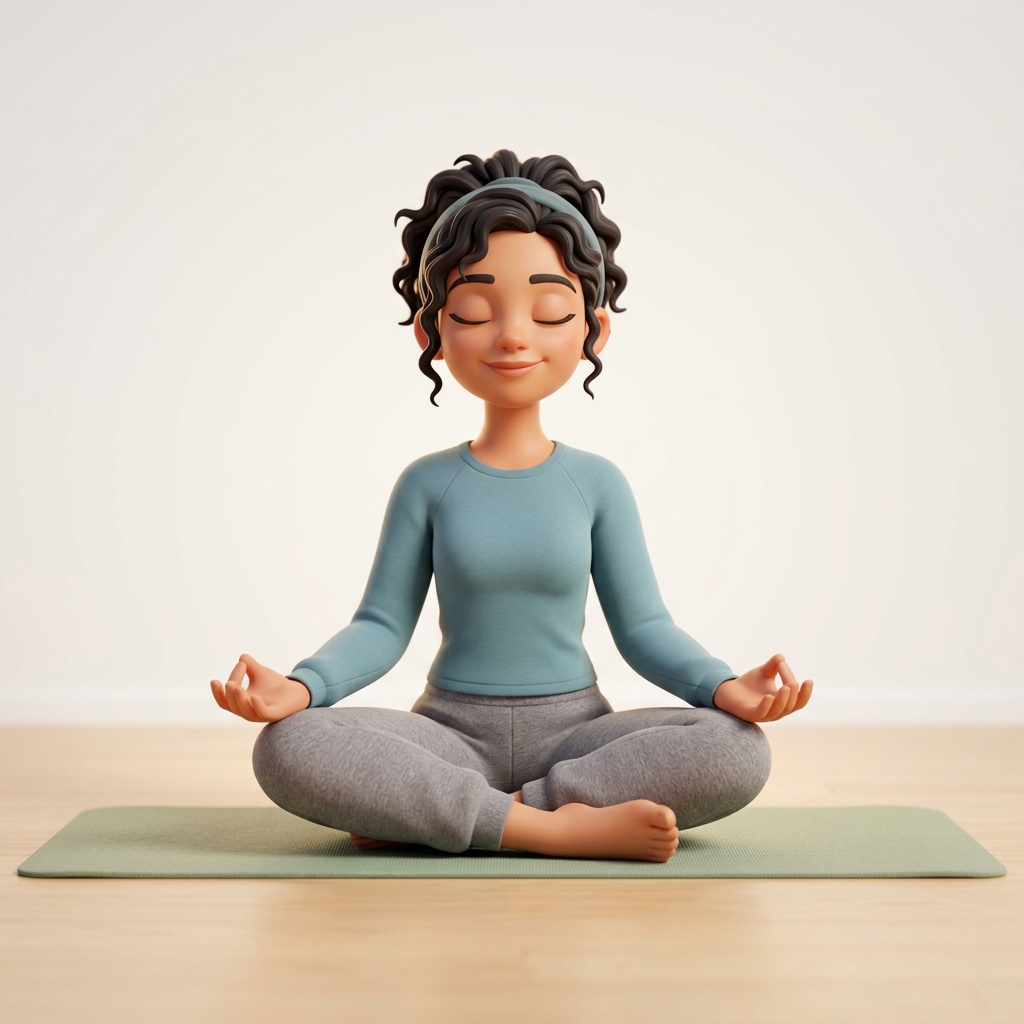
Figure 1: The blueprint foundation for all standing yoga postures.
Stand tall with big toes touching and heels slightly apart (or feet hip-width for balance). Distribute your weight evenly across both feet. Gently engage your quadriceps, draw your tailbone down, roll your shoulders back and down, and let your palms face forward. Breathe deeply into your lower belly, feeling tall and rooted.
Child's Pose (Balasana) - Your Rest Sanctuary
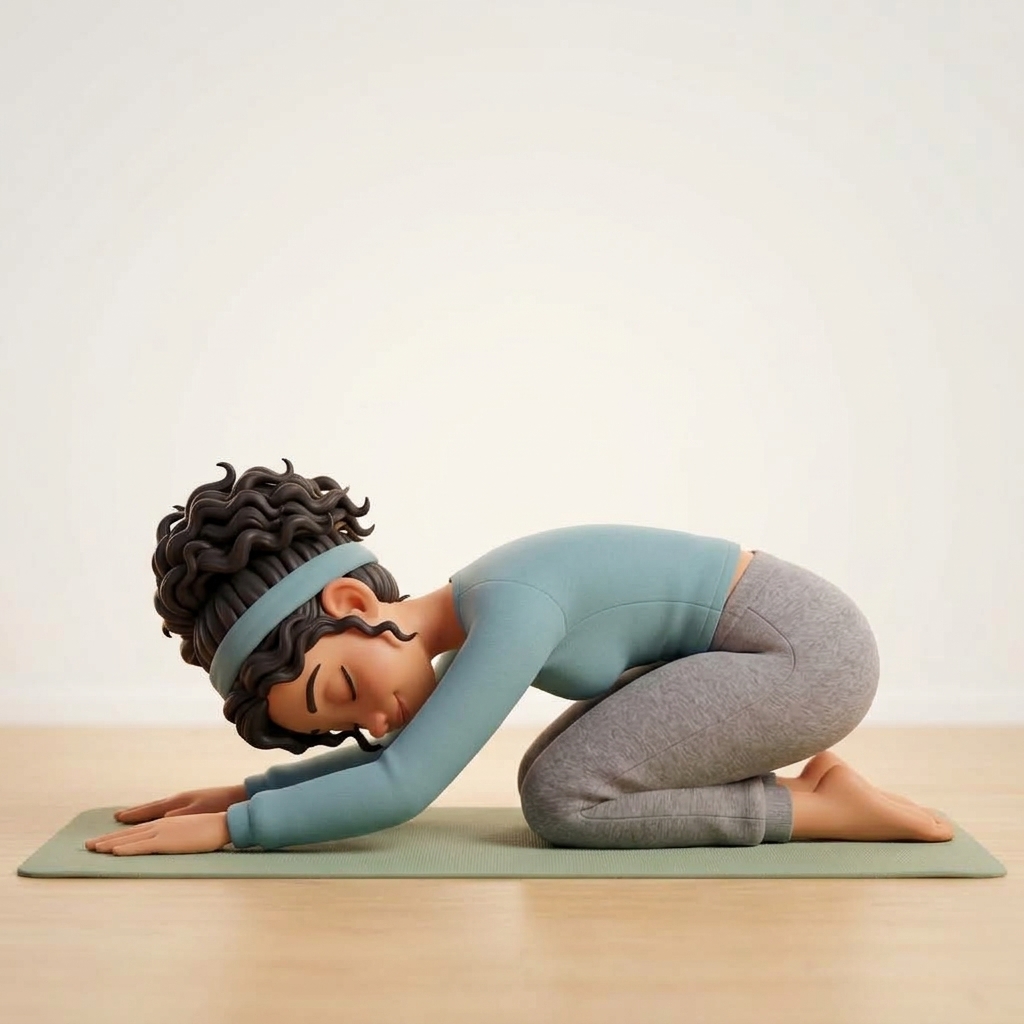
Figure 2: The universal resting pose you can return to at any moment.
Kneel on your mat, widen your knees, and bring your big toes together. Sit your hips back toward your heels and fold your torso forward, resting your forehead on your mat or a block. Extend your arms forward or rest them alongside your shins. In any yoga class, Child's Pose is your safe sanctuary whenever you feel tired.
Gentle Cat-Cow Sequence - Spinal Warmup

Figure 3: Synchronizing breath and movement to warm up the spine.
Come to all fours with wrists under shoulders and knees under hips. Inhale as you drop your belly, lift your chest, and look forward (Cow Pose). Exhale as you press the floor away, rounding your spine toward the ceiling and tucking your chin (Cat Pose). Move with the smooth rhythm of your breath.
Soft-Knee Forward Fold (Uttanasana) - Hamstring Release
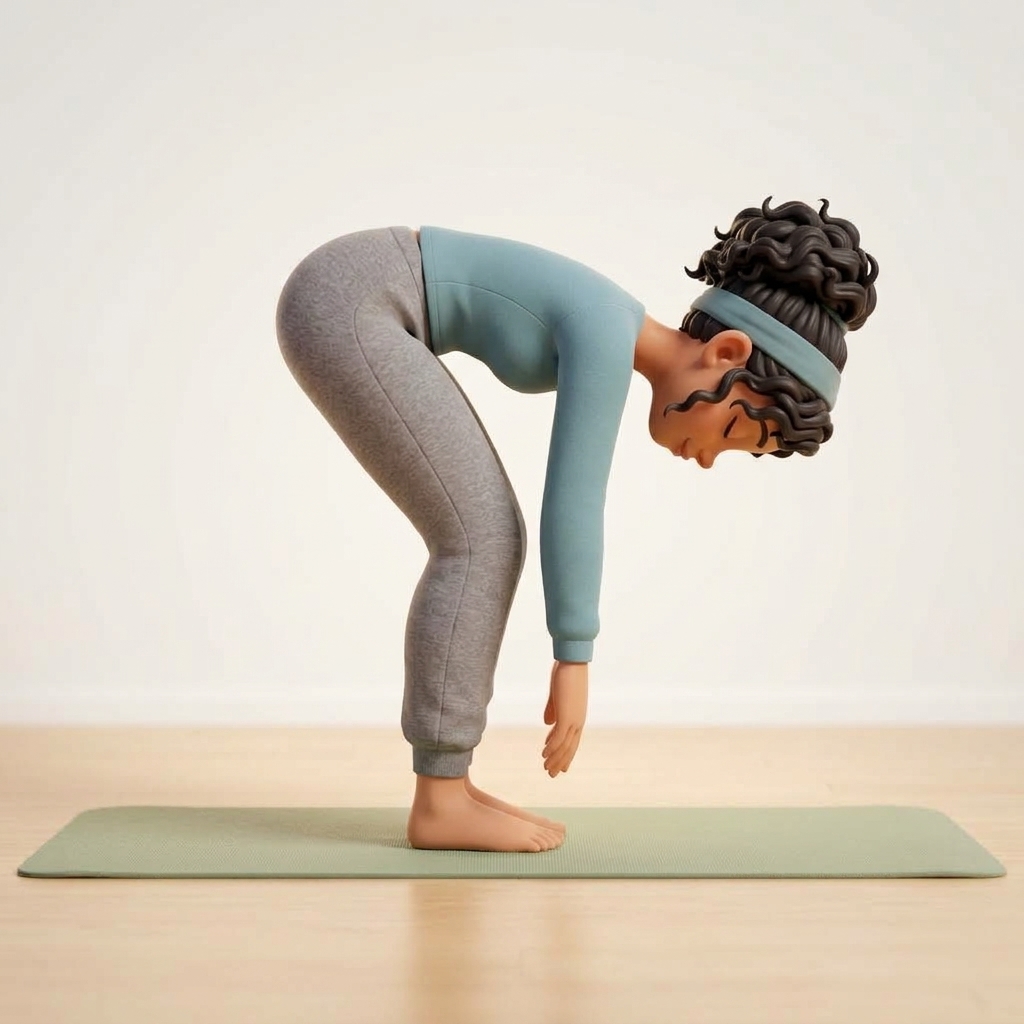
Figure 4: Hamstring and lumbar decompression without straining the back.
From standing, hinge forward at your hips. Generously bend your knees so your chest rests near or on your thighs. Let your head hang like a heavy bowling ball, clasping opposite elbows. This gently stretches tight hamstrings and decompresses the lower spine without pulling on your sciatic nerve.
Final Relaxation (Savasana) - Total Rest

Figure 5: Integrating the benefits of your practice in complete stillness.
Lie flat on your back with legs relaxed, feet flopping open, and arms resting at your sides with palms facing up. Close your eyes. Savasana is the most important pose of yoga: it allows your nervous system to assimilate the neuromuscular changes from your practice into long-term muscle memory.
Frequently Asked Questions
Do you wear shoes or socks for yoga?
No, yoga is traditionally practiced in bare feet. Bare feet allow your toes to spread, grip the mat, and provide sensory proprioception to your brain. If your feet get cold, wear non-slip yoga grip socks.
What should I wear to my first yoga class?
Wear breathable, stretchy, comfortable clothing that stays in place when you bend over—such as leggings, sweatpants, or athletic shorts paired with a fitted t-shirt or tank top.
I am not flexible at all—can I still do yoga?
Saying you are too stiff for yoga is like saying you are too dirty to take a bath! Yoga is the tool that creates flexibility over time, not a prerequisite.
← Check Your Desk Setup Specs Calm Your Nervous System with Box Breathing →