Anger is not purely a psychological emotion—it is an instantaneous, visceral neurochemical emergency. When anger surges, the amygdala triggers a flood of adrenaline and noradrenaline, constricting blood vessels, elevating blood pressure, clenching the jaw, and tensing the pelvic floor and neck in an evolutionary fight response.
In Dr. John Sarno's clinical mind-body framework (TMS), unconscious or repressed rage is the primary driver of chronic back pain, tension headaches, and myofascial spasms. Rather than venting angrily or suppressing the emotion, somatic yoga provides physical discharge through prolonged exhalations, vagal stimulation, and non-threatening fascial decompression. Here are 5 somatic releases.
Clinical Golden Rule
Never force through sharp, radiating, or electric pinch sensations. Therapeutic recovery relies on parasympathetic safety signals: keep movement within 60% of your maximum range, breathe softly through your nose, and prioritize joint decompression over extreme flexibility.
Step-by-Step 5-Pose Therapeutic Protocol
Lion's Breath with Somatic Jaw Release (Simhasana)
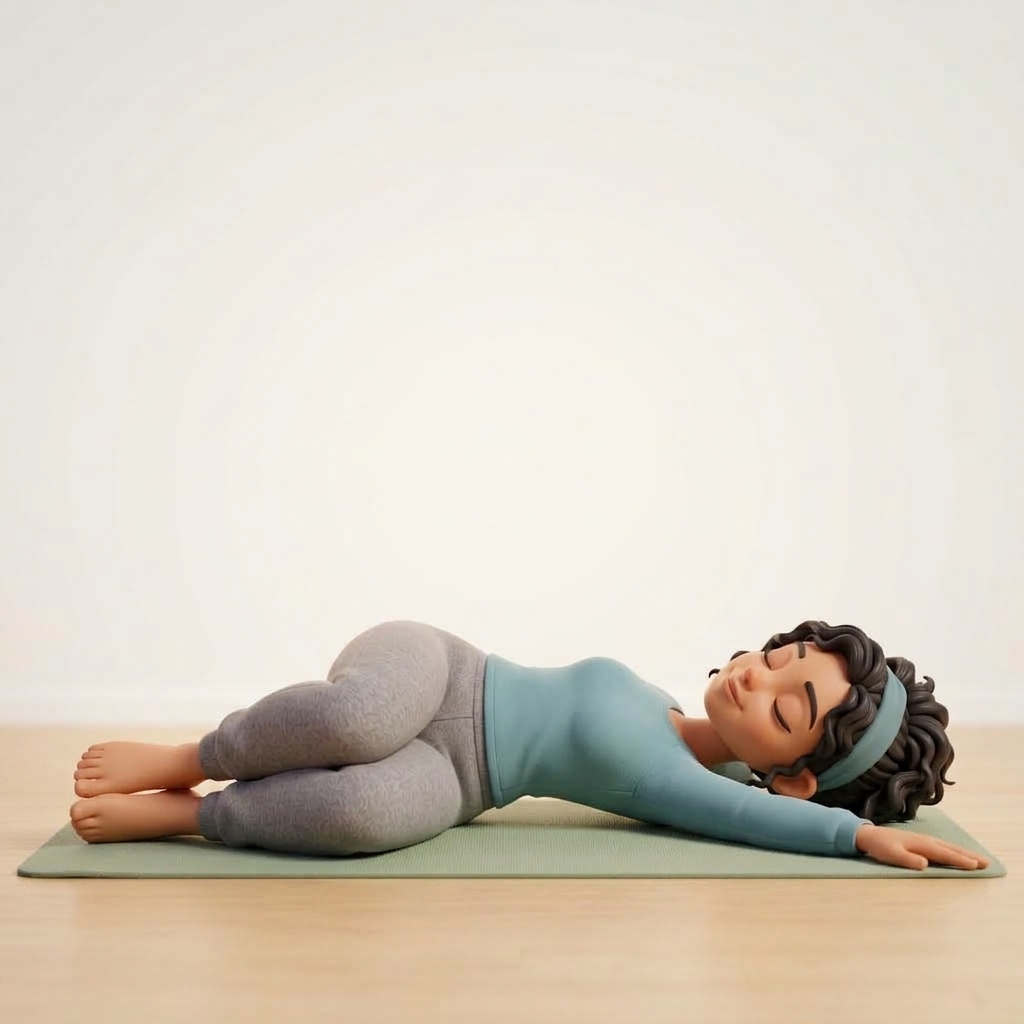
Figure 1: Direct cranial-nerve discharge for acute rage and jaw clenching.
Kneel or sit comfortably. Place hands firmly on your knees. Inhale deeply through your nose, expanding your ribcage. Open your mouth wide, stick your tongue out toward your chin, open your eyes wide looking up, and exhale with a strong, audible 'HAAAA' sound from deep within your throat. Feel the instant physical release in your masseters, throat, and chest.
Supported Child's Pose with Temple Grounding
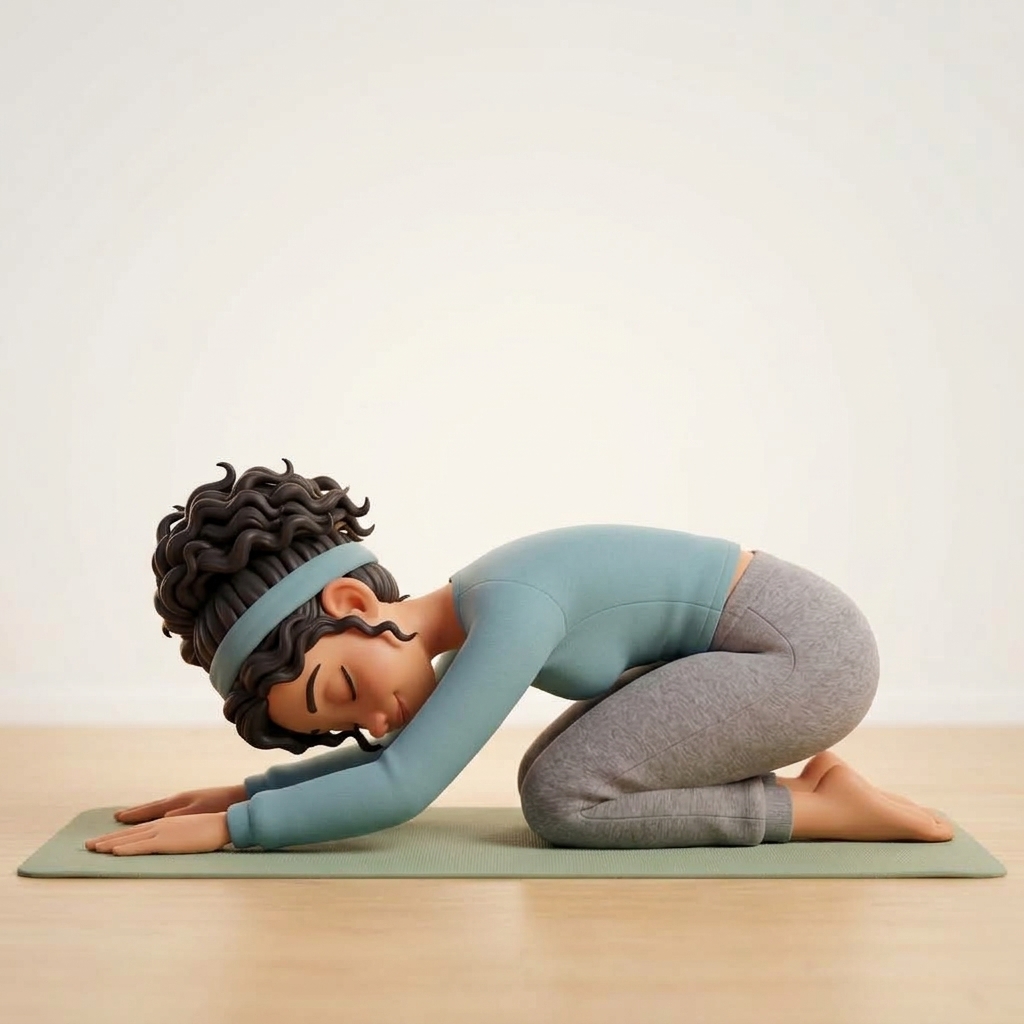
Figure 2: Biological surrender and parasympathetic vagal stimulation.
Kneel on your mat with knees wide and big toes touching. Fold forward over a bolster or the floor, resting your forehead or cheek flat against the mat. Extend your arms forward, turning your palms facing upward in a gesture of open surrender. Gravity grounds your frontal lobe, telling the amygdala that fight-or-flight action is no longer required.
Soft-Knee Standing Forward Ragdoll (Uttanasana)
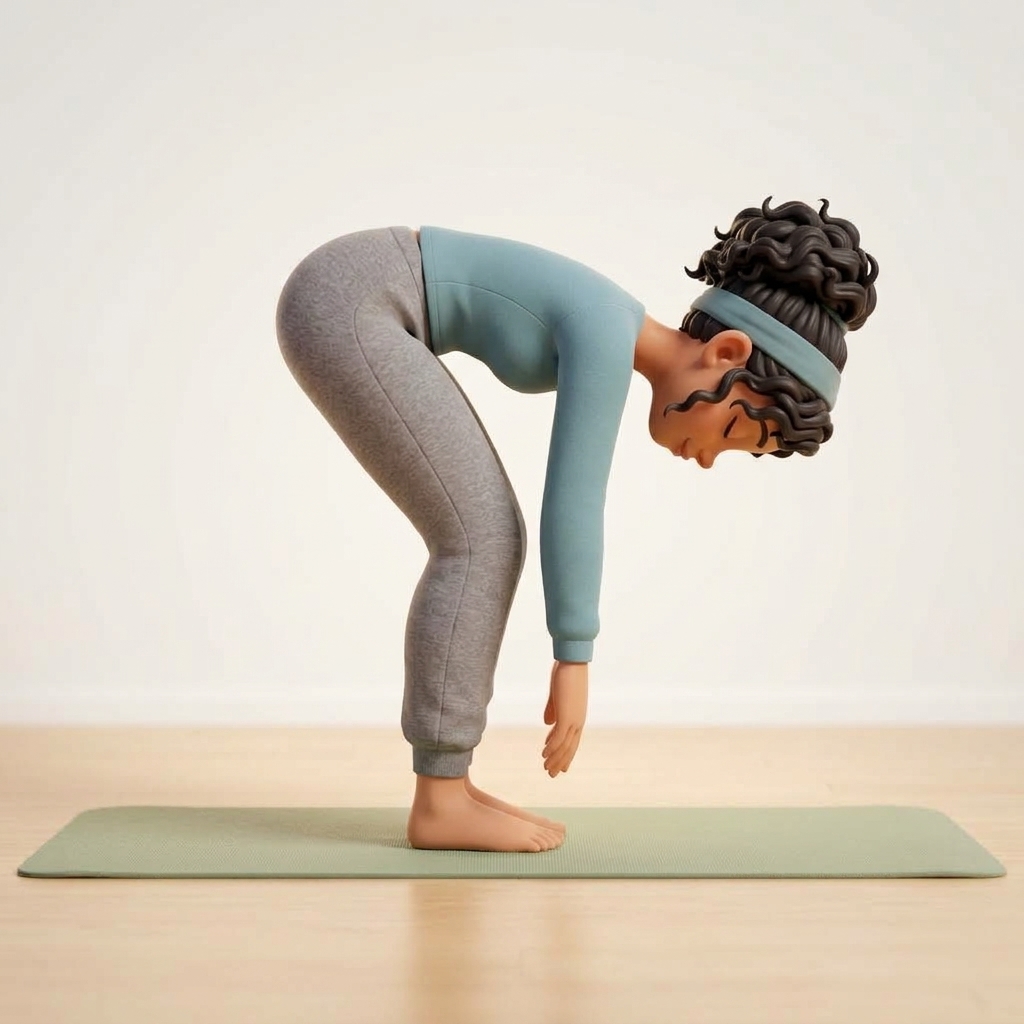
Figure 3: Inverting blood flow to lower arterial pressure and soothe agitation.
Stand with feet shoulder-width apart. Generously bend your knees and fold your upper body forward over your thighs. Clasp opposite elbows. Let the weight of your skull gently decompress your cervical spine. Gently sway your torso side to side, visualizing all pent-up fiery energy draining out through the crown of your head into the earth.
Supported Fish Pose on Bolster (Heart & Throat Opening)

Figure 4: Expanding the anterior ribcage where resentment and anger lodge.
Place a yoga bolster vertically along your mat. Recline back onto the bolster with knees bent and feet flat. Open your arms wide into a 'T' shape, palms up. Chronic anger causes protective forward slouching and chest armoring. This passive heart opener counteracts defensive armoring, allowing the intercostal nerves to relax.
Constructive Rest with Abdominal Hand Weight

Figure 5: Calming the solar plexus and stimulating the ventral vagal complex.
Lie on your back with knees bent and calves elevated on a chair or couch. Place both hands directly over your solar plexus (upper abdomen just below the sternum). Feel the warm physical contact of your hands. As you exhale, imagine the fiery heat in your solar plexus dissipating like mist into cool, serene twilight.
Frequently Asked Questions
Why does anger cause physical back pain and muscle spasms?
As discovered by Dr. John Sarno, when the brain senses intolerable emotional anger or resentment, the autonomic nervous system mildly restricts blood flow (ischemia) to muscles and nerves in the back or neck, creating physical pain as a distraction from psychic rage.
Can aggressive exercise make anger worse?
Intense high-cortisol workouts can reinforce fight-or-flight sympathetic overdrive. In contrast, restorative yoga and prolonged exhalations stimulate the parasympathetic vagal brake, chemically lowering adrenaline and cortisol within 7 minutes.
How quickly does Lion's Breath halt an acute anger surge?
Within 3 to 5 breath cycles. Lion's Breath forces an open-mouth expulsion of air while releasing the masseter and pterygoid jaw muscles—the exact facial muscles primed during mammalian aggression.
← Check Your Desk Setup Specs Calm Your Nervous System with Box Breathing →