Achieving the front splits (Hanumanasana) requires a rare combination of extreme hamstring flexibility in the front leg and intense hip flexor (psoas) extension in the back leg. Forcing yourself to drop into splits without support puts dangerous tensile load on the hamstring tendon origin at the ischial tuberosity (sit bone), leading to chronic 'yoga butt' tendon tears.
Yoga blocks are the ultimate training tool for safe split progression. They elevate the floor to meet your body, maintain a square pelvis, and offload up to 70% of your body weight so muscles can relax and lengthen without triggering protective spasm. Here is the 5-step block progression.
Clinical Golden Rule
Never force through sharp, radiating, or electric pinch sensations. Therapeutic recovery relies on parasympathetic safety signals: keep movement within 60% of your maximum range, breathe softly through your nose, and prioritize joint decompression over extreme flexibility.
Step-by-Step 5-Pose Therapeutic Protocol
Low Lunge with Blocks (Anjaneyasana)

Figure 1: Opening the back-leg psoas while keeping the torso upright.
Step your right foot forward into a low lunge with your back left knee on the mat (use a blanket for cushioning). Place two yoga blocks on their highest setting beneath your hands on either side of your front foot. Press into the blocks to keep your chest lifted while sinking your hips forward and down. This targets the back-leg hip flexors.
Half Split with Blocks (Ardha Hanumanasana)

Figure 2: Safe, isolated hamstring lengthening with neutral spine.
From low lunge, shift your hips backward until your back hip is stacked directly over your back knee. Straighten your front right leg, flexing your right foot so your toes point toward the ceiling. Place your blocks on medium height alongside your front calf. Rest hands on the blocks and hinge forward from your hips with a flat back.
Supported Full Split with Block Under Front Thigh
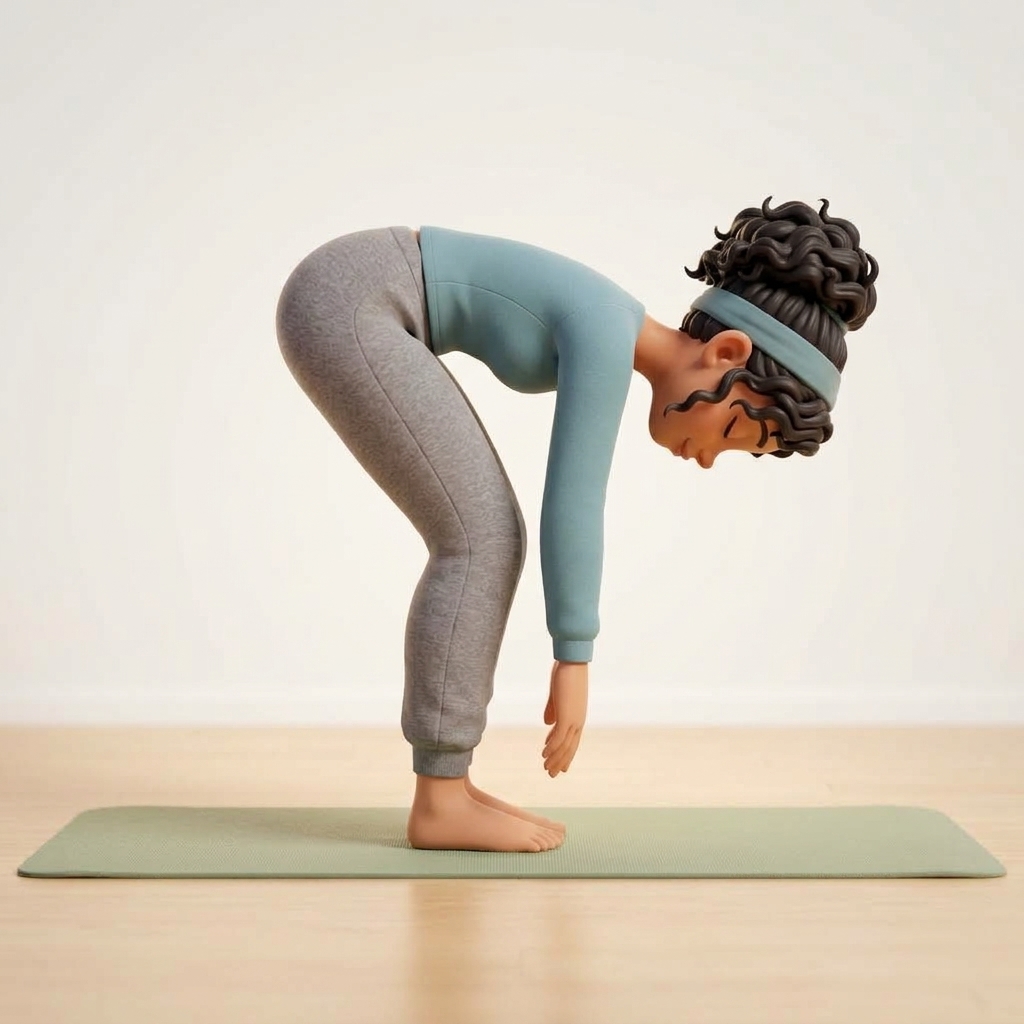
Figure 3: Full skeletal support to eliminate protective muscle guarding.
From half split, slide your front heel forward and your back knee backward. Place a yoga block (medium or low height) directly underneath your front right hamstring/thigh just above the sit bone. Lower your body weight onto the block while keeping hands on two additional blocks for balance. The block supports your pelvis so your hamstrings can release safely.
Supported Reclining Hamstring Stretch with Strap (Passive Prep)

Figure 4: Decompressing the hamstring origin without body weight.
Lie on your back. Loop a yoga strap around the ball of your right foot and extend your leg toward the ceiling. Keep your left leg extended straight on the floor with toes pointing up. Gently pull the strap toward your head, feeling the stretch across the belly of your hamstring. This prepares the muscle fibers in a safe, non-weight-bearing position.
Wide-Legged Supported Child's Pose (Post-Split Recovery)
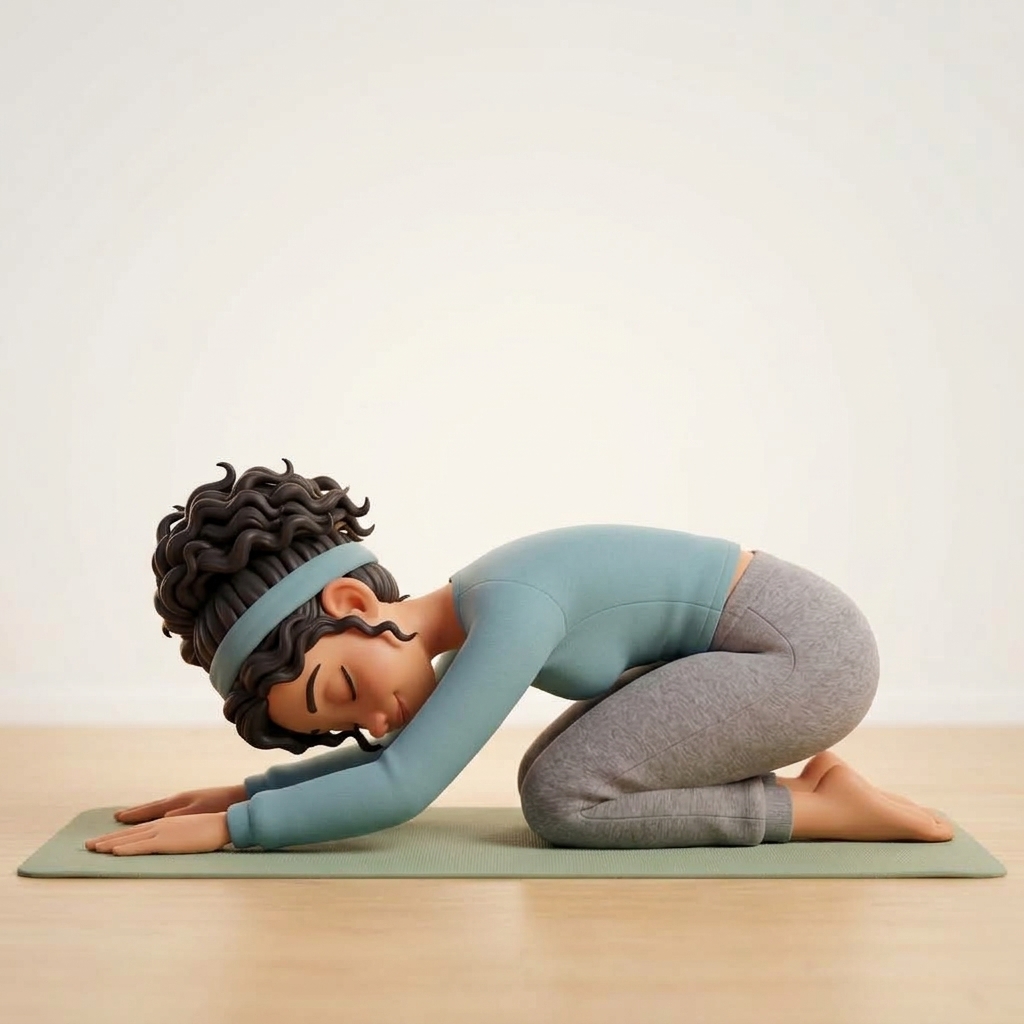
Figure 5: Restoring pelvic equilibrium and cooling the hip flexors.
After practicing splits on both sides, kneel with knees wide and sink your hips back onto your heels. Rest your forehead on a yoga block and stretch your arms forward. This releases tension in the sacroiliac joints, adductors, and lower back after intense hip extension.
Frequently Asked Questions
How long does it take to get the splits using yoga blocks?
Depending on your starting flexibility and pelvic anatomy, achieving safe front splits with blocks typically takes 3 to 6 months of consistent, 3-times-per-week practice. Never rush; forced splits cause severe hamstring tears.
Can I tear my hamstring by trying to do splits without props?
Yes. Proximal hamstring tendinopathy (high hamstring tear) is one of the most common yoga injuries. Using blocks offloads body weight, preventing excessive tensile stress at the ischial tuberosity.
Which type of yoga blocks are best for splits: foam or cork?
Dense foam blocks are best under your thigh because they provide gentle cushioning. Cork blocks are sturdier under your hands to support your body weight without wobbling.
← Check Your Desk Setup Specs Calm Your Nervous System with Box Breathing →