In traditional yogic physiology, chakras are dynamic focal centers of prana (vital energy) located along the subtle spinal column (Sushumna Nadi). In modern neurobiology, these 7 centers correspond precisely with the major nerve plexuses and endocrine glands of the human body—from the pelvic coccygeal plexus up to the pituitary gland.
When emotional stress or physical trauma locks tension into specific segments of the spine, energy flow becomes constricted. By pairing specific physical asanas with focused somatic awareness, you systematically balance and open all 7 energy centers. Here is the foundational 7-chakra sequence.
Clinical Golden Rule
Never force through sharp, radiating, or electric pinch sensations. Therapeutic recovery relies on parasympathetic safety signals: keep movement within 60% of your maximum range, breathe softly through your nose, and prioritize joint decompression over extreme flexibility.
Step-by-Step 5-Pose Therapeutic Protocol
Root Chakra (Muladhara): Grounded Mountain Pose (Tadasana)
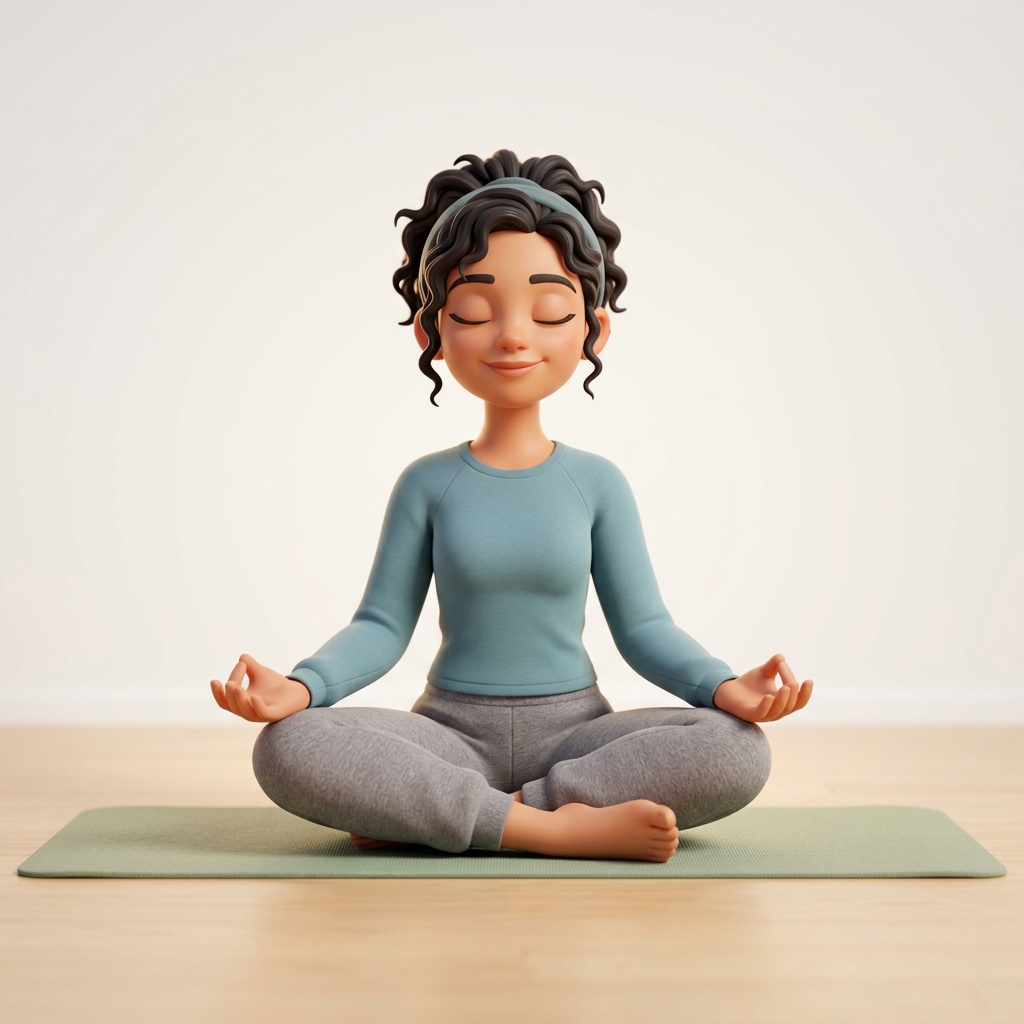
Figure 1: Earth element, coccygeal plexus, and physical security.
Stand with feet hip-width apart, pressing all four corners of your feet into the earth. Feel the stability of gravity beneath you. Imagine roots extending deep into the ground. Muladhara governs our sense of survival, physical safety, and grounded stability. Consciously soften your pelvic floor while maintaining strong legs.
Sacral Chakra (Svadhisthana): Reclining Bound Angle (Supta Baddha Konasana)

Figure 2: Water element, pelvic bowl, and emotional fluidity.
Lie on your back with the soles of your feet together and knees falling open, supported by blocks. Svadhisthana is located in the pelvic bowl and governs creativity, emotional fluidity, and pleasure. Surrendering in this pose releases chronic muscular guarding around the reproductive organs and hips.
Solar Plexus Chakra (Manipura): Supported Sphinx or Low Cobra

Figure 3: Fire element, celiac plexus, and personal power.
Lie prone and prop yourself up on forearms into Sphinx Pose. Bring awareness to the upper abdomen just behind the navel. Manipura is the furnace of personal willpower, metabolic digestion, and boundaries. Breathe into the solar plexus, feeling internal heat and vitality expand through your ribs.
Heart Chakra (Anahata): Supported Restorative Fish Pose
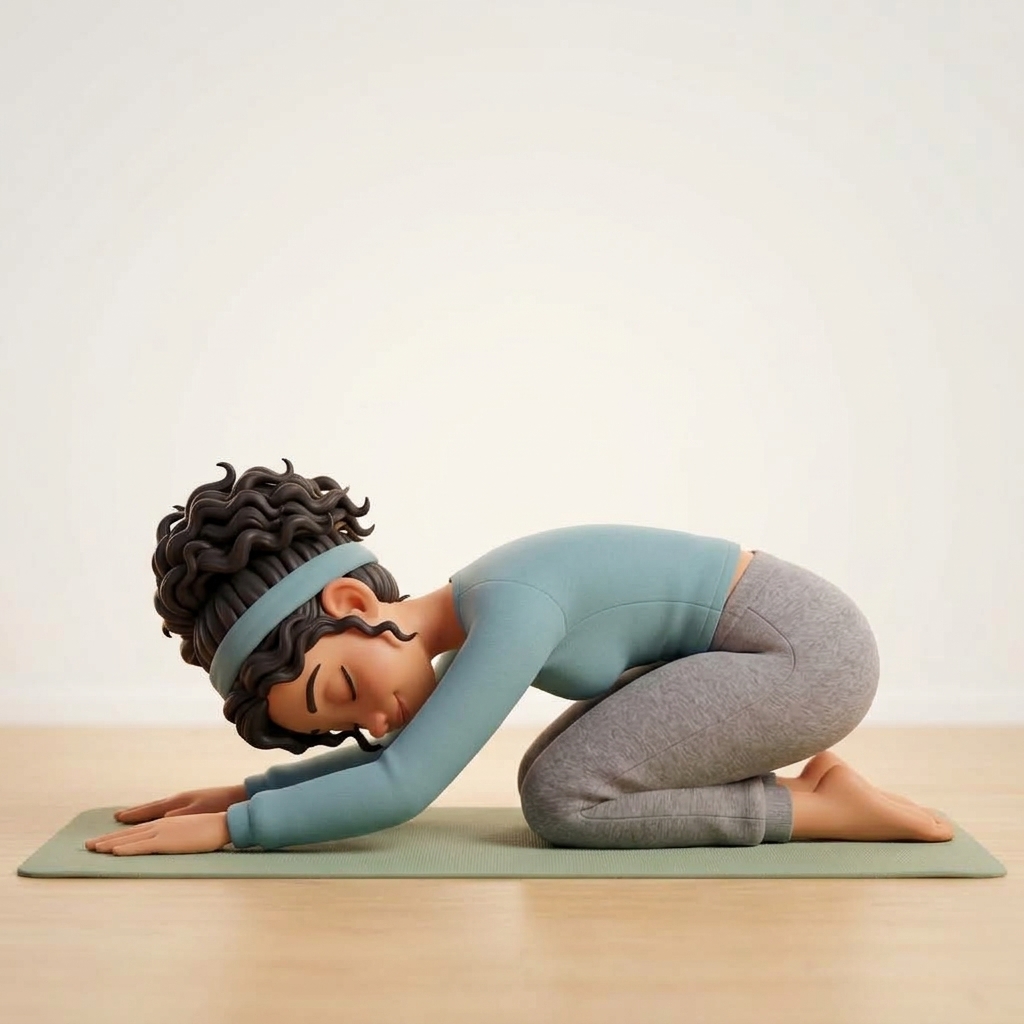
Figure 4: Air element, cardiac plexus, and unconditional compassion.
Lie over a bolster placed beneath your mid-back with arms open wide in a 'T' shape. Anahata resides at the center of the chest and bridges physical and spiritual consciousness. Opening the anterior ribs and pectoral fascia releases stored grief and welcomes boundless compassion.
Throat Chakra (Vishuddha): Gentle Supported Fish or Neck Rolls

Figure 5: Ether element, cervical plexus, and truthful expression.
Sit tall and slowly tilt your chin up, elongating the front of your throat without compressing the back of your neck. Vishuddha governs authentic communication, truth, and thyroid function. Breathe smoothly into your vocal cords, releasing tension in your jaw and tongue.
Frequently Asked Questions
What does a blocked chakra feel like physically?
A blocked chakra often manifests as localized tension: a blocked Root chakra often causes lower back pain and foot anxiety; a blocked Solar Plexus can trigger stomach ulcers and indigestion; a blocked Heart chakra leads to tight chest muscles and slouching.
How does chakra balancing relate to the autonomic nervous system?
Each chakra corresponds directly to a major physiological autonomic nerve plexus (e.g., celiac plexus, cardiac plexus, cervical plexus). Balancing chakras through somatic yoga activates the parasympathetic vagal system across all organ networks.
Can beginners balance their chakras with yoga?
Yes! Chakra yoga does not require complex or difficult poses. Gentle, grounded postures paired with conscious breathing and somatic visualization are the most effective way to restore subtle energetic balance.
← Check Your Desk Setup Specs Calm Your Nervous System with Box Breathing →