Lumbar spinal stenosis occurs when the spinal canal or intervertebral neural foramina narrow, placing mechanical and ischemic pressure on travelling nerve roots. Unlike standard back pain where extension (arching backwards) is frequently prescribed, individuals with spinal stenosis experience rapid symptom exacerbation during spinal extension because leaning backward further reduces canal volume by up to 18%.
The clinical secret to yoga for spinal stenosis lies in flexion-biased somatic positioning. By gently rounding the lumbar spine and opening the posterior disc spaces, you mechanically widen the central canal and neuroforamina, instantly restoring microcirculation to compressed nerves. Here is the clinician-designed 5-step restorative sequence.
Clinical Golden Rule
Never force through sharp, radiating, or electric pinch sensations. Therapeutic recovery relies on parasympathetic safety signals: keep movement within 60% of your maximum range, breathe softly through your nose, and prioritize joint decompression over extreme flexibility.
Step-by-Step 5-Pose Therapeutic Protocol
Supported Supine Double Knee-to-Chest (Apanasana)

Figure 1: Maximum neural foraminal widening without spinal loading.
Lie flat on your back on a supportive yoga mat. Exhale as you gently draw both knees toward your ribcage, grasping your shins or the backs of your thighs. Allow your lower back to flatten completely against the floor. This gently flexes the lumbar spine, expanding the central canal diameter and decompressing the exiting lumbosacral nerve roots. Rock gently side to side if comfortable.
Pelvic Tilts on Back (Posterior Pelvic Rocking)

Figure 2: Active segmental flexion to lubricate facet joints.
Lie on your back with knees bent and feet planted flat on the floor, hip-width apart. Inhale to relax. As you exhale, gently contract your lower abdominal muscles and flatten your lower back into the floor, tilting your pubic bone upward. Hold the posterior tilt for 3 seconds, feeling the spaciousness in your lower lumbar spine, then return to neutral. Never arch into an anterior tilt.
Supported Wide-Knee Child's Pose (Balasana)
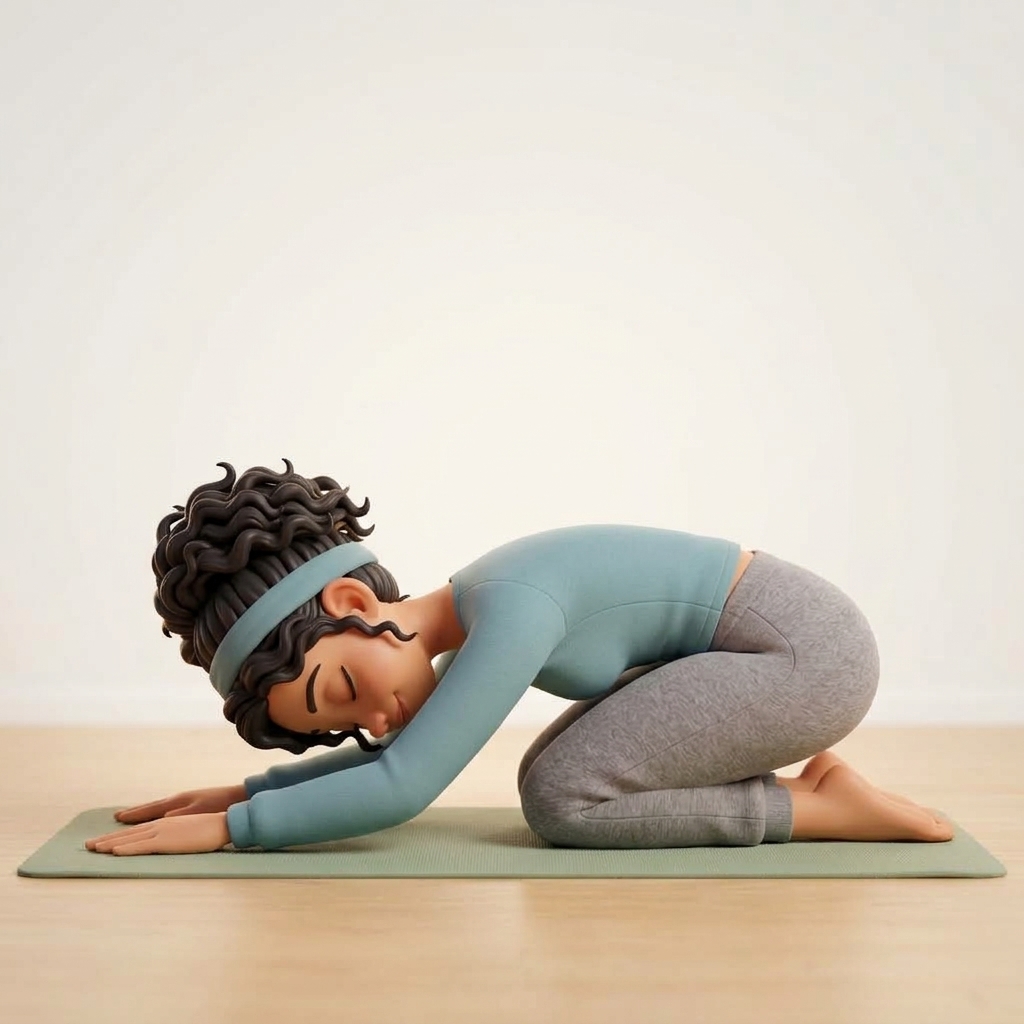
Figure 3: Gravity-assisted lumbar elongation with bolstered support.
Kneel on your mat with knees set wide and big toes touching. Place a bolster or firm folded blanket lengthwise between your thighs. Slowly hinge forward from your hips, draping your torso over the bolster and resting your head turned to one side. Extend your arms forward softly. This provides continuous passive flexion, relaxing the paraspinal musculature and opening the intervertebral spaces.
Elevated Legs-Up-the-Wall (Viparita Karani)

Figure 4: Gravitational lymphatic drainage and facet joint decompression.
Position your hips 4 to 6 inches away from a sturdy wall. Swing your legs vertically up against the wall while resting your shoulders and head flat on the floor. Maintain a soft, natural bend in your knees so your hamstrings do not tug on your pelvis. This inverted position drains venostasis from the lower extremities and removes all gravitational axial compression from the lumbar column.
Standing Supported Forward Fold at Countertop
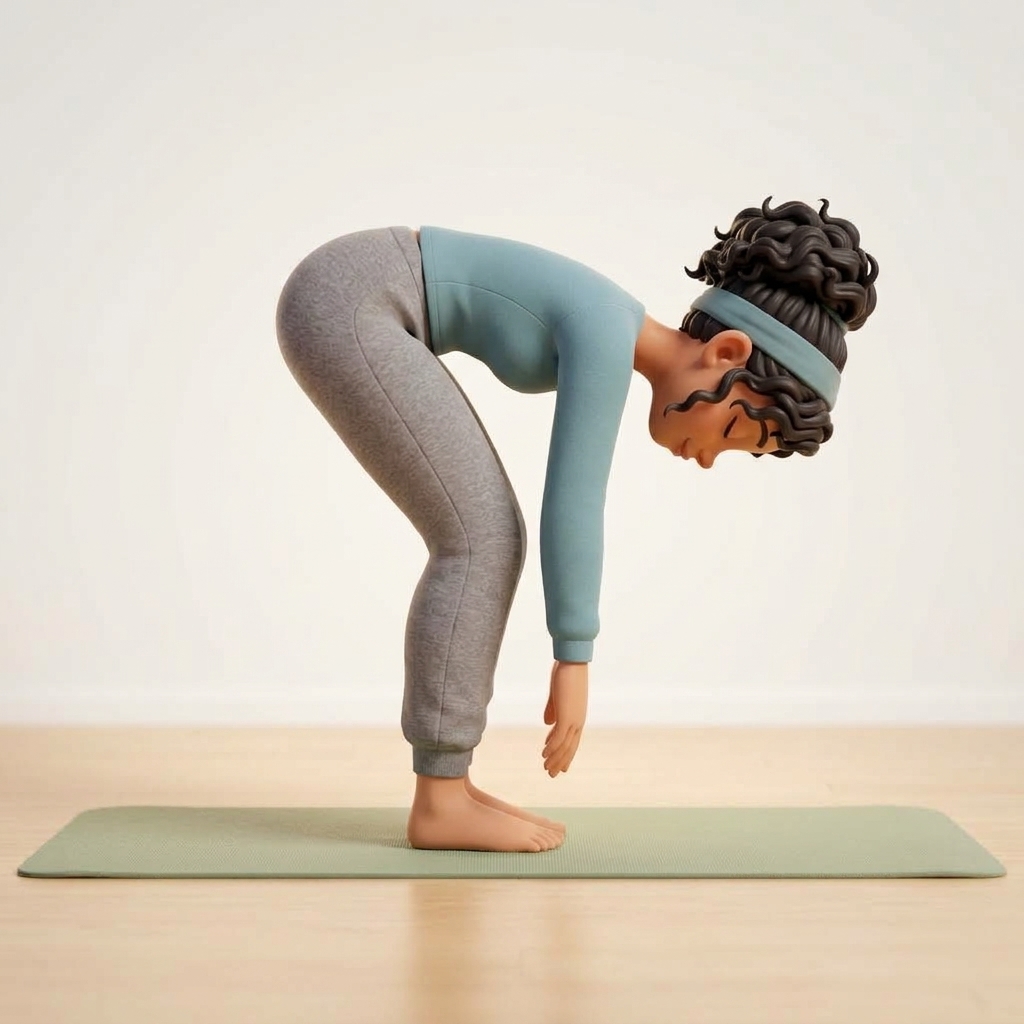
Figure 5: Upright decompression mimicking the grocery-cart relief phenomenon.
Stand facing a kitchen counter or table. Place both palms flat on the surface and walk your feet backward until your torso is parallel to the floor, forming a 90-degree right angle. Bend your knees generously and send your sit bones backward. This replicates the classic 'shopping cart sign'—the instinctive forward-leaning posture stenosis sufferers use to relieve leg claudication—in a safe, therapeutic manner.
Frequently Asked Questions
What yoga poses should you strictly avoid with lumbar spinal stenosis?
Avoid deep backward bending poses such as Cobra (Bhujangasana), Upward-Facing Dog, Camel Pose (Ustrasana), and full Wheel. These hyperextend the lumbar spine, narrowing the spinal canal and pinching sensitive nerve roots.
Why does walking cause leg pain in spinal stenosis, but sitting feels better?
Upright walking forces your lower back into natural extension, which closes the spinal canal and restricts blood flow to the cauda equina and nerve roots (neurogenic claudication). Sitting flexes the spine, immediately opening the canal and restoring circulation.
Can mind-body awareness help severe spinal stenosis?
Yes. While structural narrowing is physical, MRI studies prove that many individuals with severe radiographic stenosis experience zero pain. Fear, anticipatory muscle bracing, and nervous system sensitization amplify perceived pain signals. Calming the nervous system reduces ischemic spasm around compressed nerves.
← Check Your Desk Setup Specs Calm Your Nervous System with Box Breathing →