Subacromial shoulder impingement occurs when the supraspinatus tendon or subacromial bursa becomes repeatedly pinched beneath the acromion process and coracoacromial ligament during overhead arm movement. In standard yoga classes, repeated Sun Salutations, Chaturangas, and Downward-Facing Dogs can severely irritate an already inflamed shoulder.
True therapeutic yoga for shoulder impingement avoids aggressive overhead reaching and internal rotation under load. Instead, it prioritizes scapular posterior tilt, thoracic spine extension, and gentle external rotation to maximize subacromial clearance. Here are 5 clinician-approved restorative poses.
Clinical Golden Rule
Never force through sharp, radiating, or electric pinch sensations. Therapeutic recovery relies on parasympathetic safety signals: keep movement within 60% of your maximum range, breathe softly through your nose, and prioritize joint decompression over extreme flexibility.
Step-by-Step 5-Pose Therapeutic Protocol
Supported Prone Cobra with Scapular Retraction

Figure 1: Activating the lower trapezius and infraspinatus without impingement.
Lie face down on your mat with your forehead resting on a folded towel. Place your arms along your sides, palms facing downward. On an inhale, gently squeeze your shoulder blades down and together toward your spine, lifting your hands and chest 2 inches off the mat while keeping your chin tucked. Keep your arms below shoulder height to completely avoid subacromial pinch.
Modified Child's Pose with External Rotation (Puppy Variation)
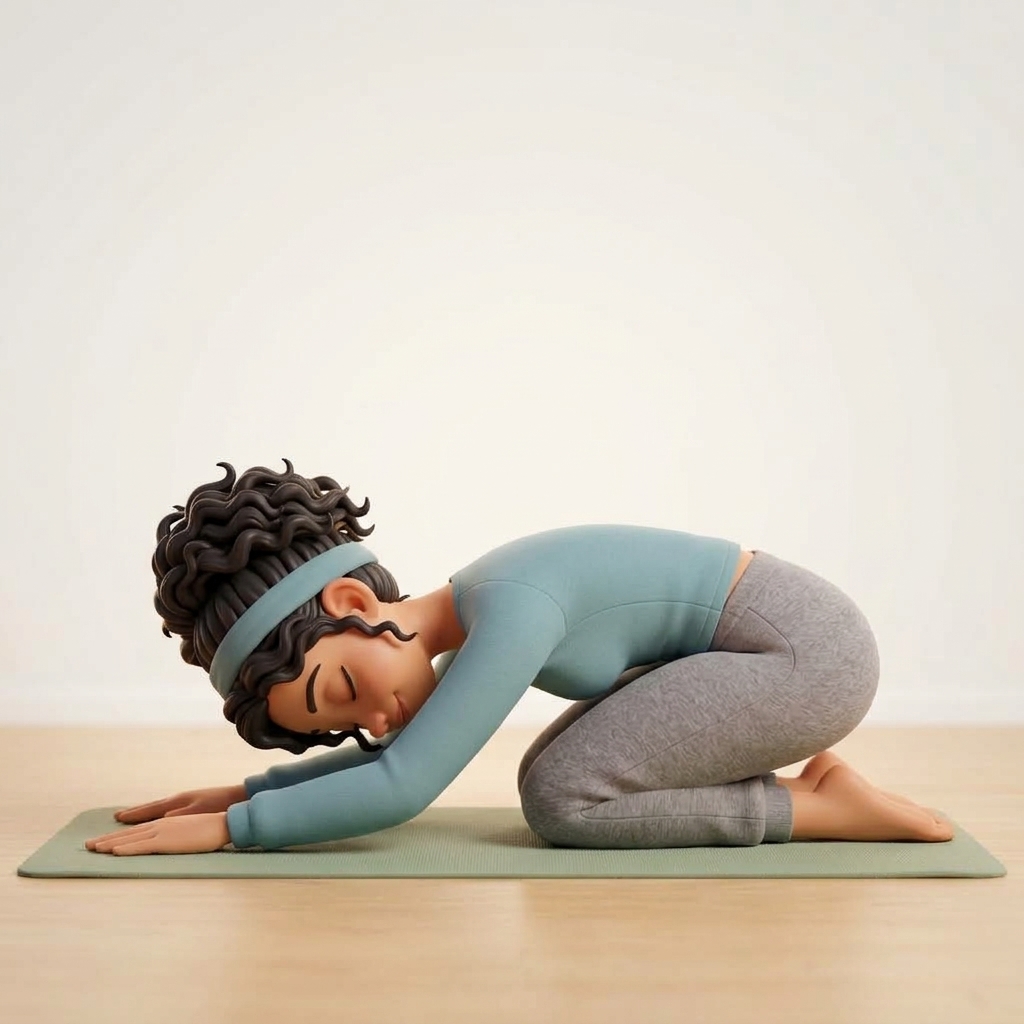
Figure 2: Widening the subacromial space through external rotation.
Kneel on your mat and place two yoga blocks shoulder-width apart in front of you. Place your elbows on the blocks with your palms pressed together in prayer. Hinge your hips backward toward your heels, letting your chest soften toward the floor. Bend your elbows so your prayer hands point toward the ceiling behind your head. This externally rotates the humerus, clearing the rotator cuff tendons from bony impingement.
Sleeper Stretch Modification on Floor
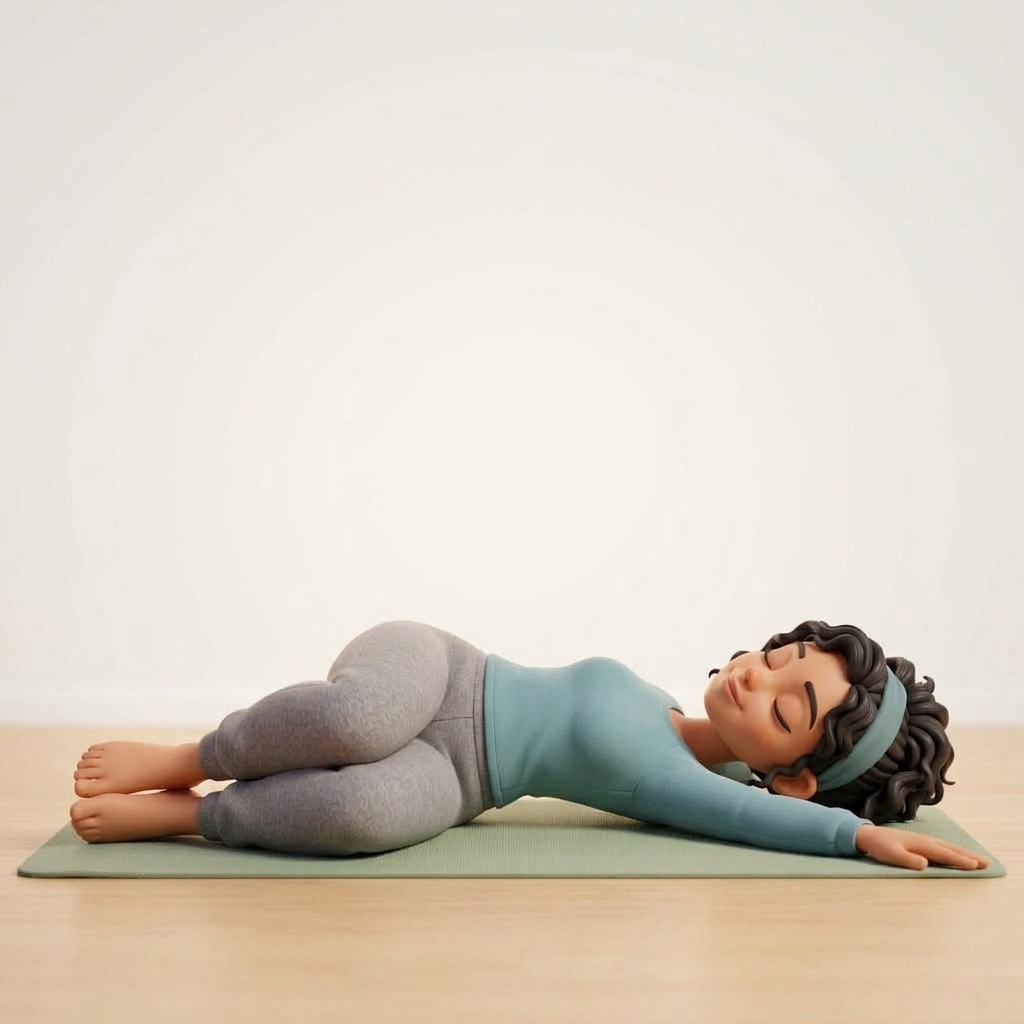
Figure 3: Restoring posterior shoulder capsule flexibility safely.
Lie on your affected side with your head comfortably pillowed. Position your arm directly in front of you at a 70-degree angle (below shoulder height) with your elbow bent at 90 degrees. Using your other hand, apply very gentle downward pressure to your wrist, moving your forearm toward the floor. Stop immediately when you feel a comfortable stretch in the back of your shoulder capsule.
Standing Wall Slide with Serratus Activation
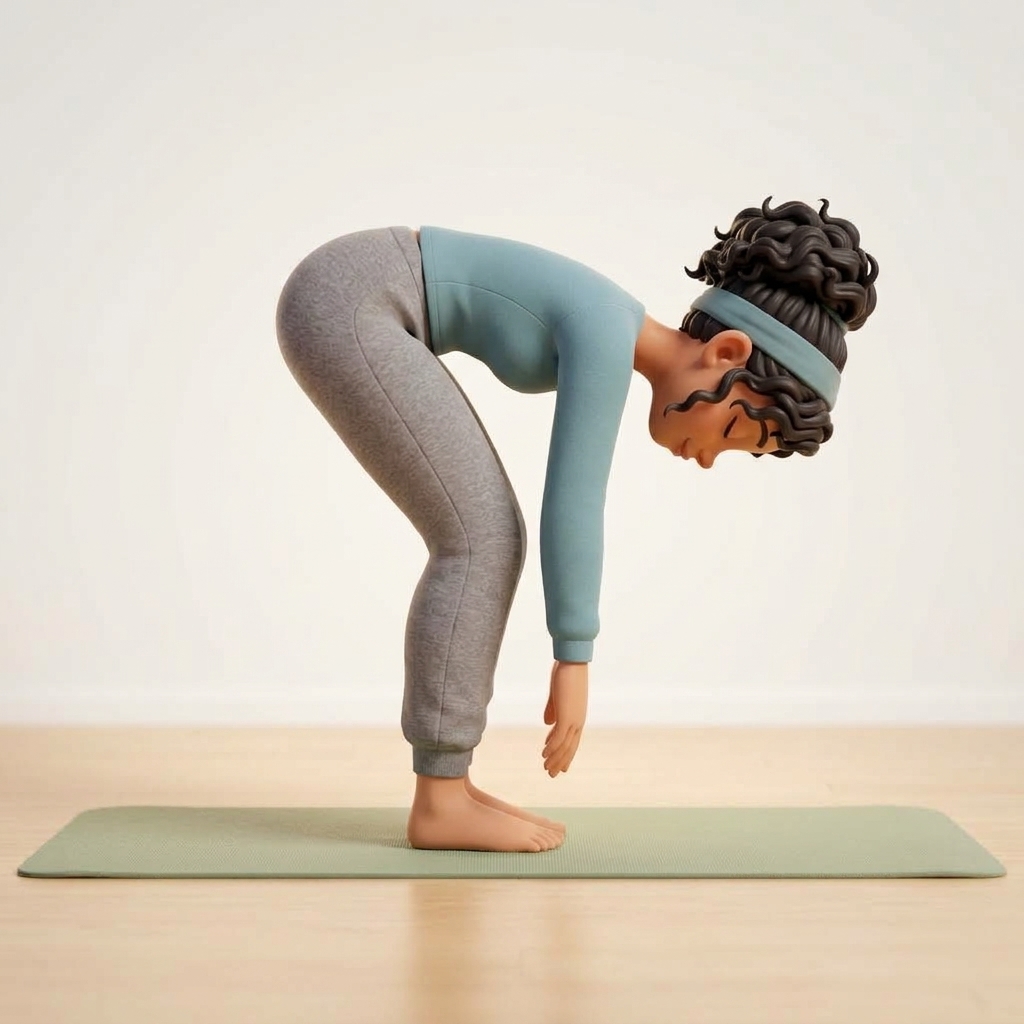
Figure 4: Training upward scapular rotation and serratus anterior firing.
Stand facing a smooth wall with forearms resting vertically against the wall at chest height, elbows bent at 90 degrees. Step one foot back for stability. Gently press your forearms into the wall to spread your shoulder blades apart (protraction). Slowly slide your forearms upward along the wall about 6 to 8 inches, maintaining pressure. Slowly return down.
Supported Restorative Heart Opener (Bolster Supported Fish)

Figure 5: Reversing forward-rounded shoulders and thoracic kyphosis.
Place a yoga bolster horizontally across your mat beneath your shoulder blades. Lie back over the bolster, resting your head on a pillow so your neck is neutral. Let your arms rest out to the sides at a 45-degree angle below shoulder height, palms up. This gently mobilizes the thoracic spine into extension, which is essential for normal scapular mechanics.
Frequently Asked Questions
Should I do Downward-Facing Dog if I have shoulder impingement?
No. Downward-Facing Dog places full body weight onto the shoulders at maximum flexion and internal rotation—the exact position that compresses the subacromial space. Replace it with Modified Puppy Pose or Tabletop until your impingement resolves.
How does rounded posture cause shoulder impingement?
When the upper back rounds (thoracic kyphosis) and shoulders roll forward, the acromion bone tilts downward and forward, cutting the subacromial clearance by up to 30%. Correcting thoracic posture immediately expands this gap.
Can rotator cuff pain be aggravated by stress?
Yes. Stress causes chronic hypertonicity in the upper trapezius and levator scapulae muscles, disrupting normal scapulohumeral rhythm. Combining restorative somatic movement with nervous system down-regulation accelerates tissue healing.
← Check Your Desk Setup Specs Calm Your Nervous System with Box Breathing →