Chronic desk work, smartphone scrolling, and prolonged driving force the upper body into postural kyphosis—commonly known as 'rounded shoulders'. Over time, the pectoralis major and minor muscles become chronically shortened, while the posterior stabilizing muscles (rhomboids, middle and lower trapezius) become overstretched, weak, and inhibited.
Simply 'forcing' yourself to sit up straight burns through energy and creates secondary lumbar arching. The sustainable solution is fascial chest opening combined with active scapular retraining. These 5 evidence-based yoga postures restore natural, effortless upright posture.
Clinical Golden Rule
Never force through sharp, radiating, or electric pinch sensations. Therapeutic recovery relies on parasympathetic safety signals: keep movement within 60% of your maximum range, breathe softly through your nose, and prioritize joint decompression over extreme flexibility.
Step-by-Step 5-Pose Therapeutic Protocol
Supported Restorative Fish Pose on Blocks (Matsyasana)

Figure 1: Passive anterior chest opening and thoracic extension.
Place two yoga blocks: one horizontally at medium height between your shoulder blades, and one at the highest setting supporting the back of your head. Lie back over the blocks with knees bent. Open your arms wide in a 'T' formation, palms facing the ceiling. Gravity does all the work, gently opening the sternum, ribs, and pectoralis fascia without muscular strain.
Wall Angels with Scapular Retraction
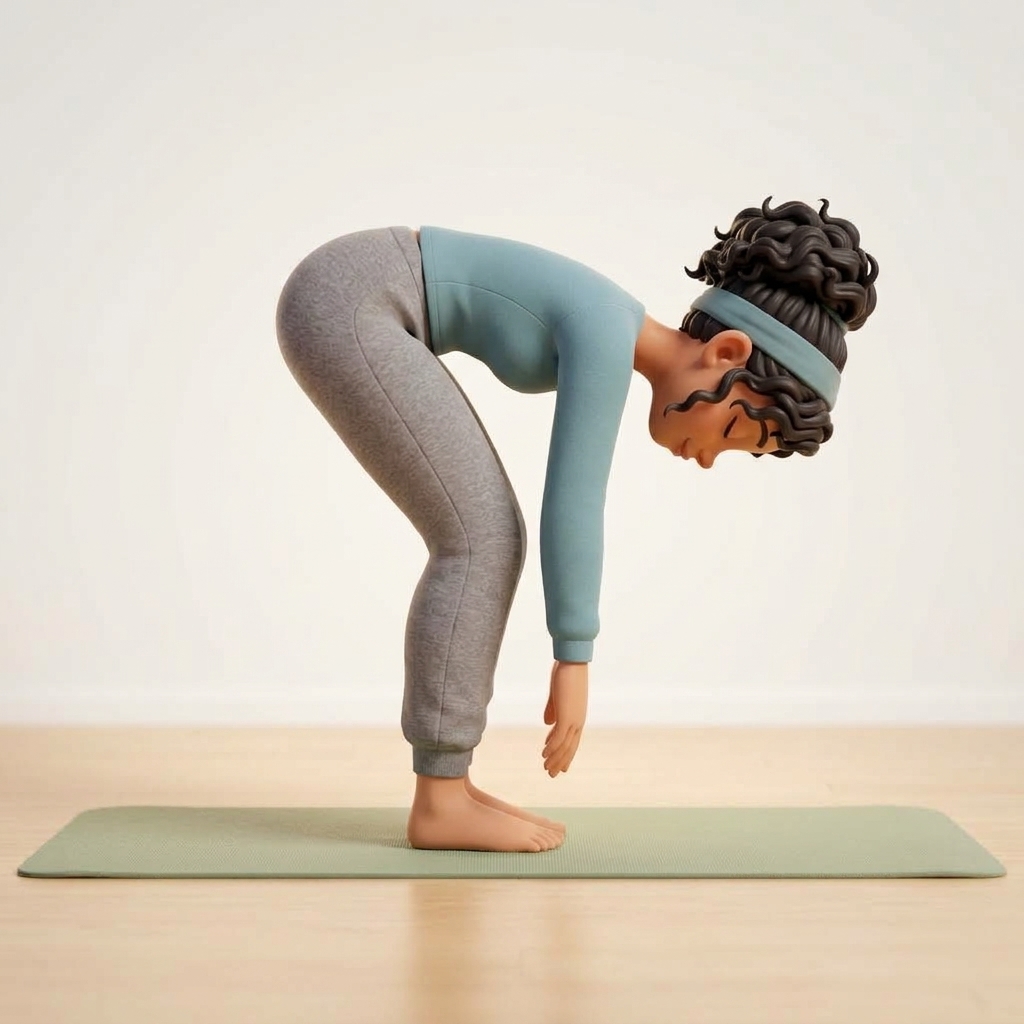
Figure 2: Neuromuscular re-education for rhomboids and serratus anterior.
Stand with your back, head, and buttocks flat against a smooth wall, feet about 6 inches away. Bring your arms into a 'W' or goalpost position against the wall. Slowly slide your arms upward toward a 'Y' shape, keeping your elbows, wrists, and the backs of your hands in contact with the wall as much as possible. Slowly slide back down to the 'W' shape, squeezing your shoulder blades together.
Prone Locust Pose (Salabhasana) with Arms Clasp

Figure 3: Strengthening the posterior chain against gravitational collapse.
Lie face down on your mat. Interlace your fingers behind your lower back (or hold a yoga strap if your shoulders are tight). Inhale to roll your shoulders back, reaching your knuckles toward your heels while gently lifting your chest and head off the floor. Keep your gaze directed down at your mat to maintain cervical alignment.
Doorway Pectoral Stride Stretch
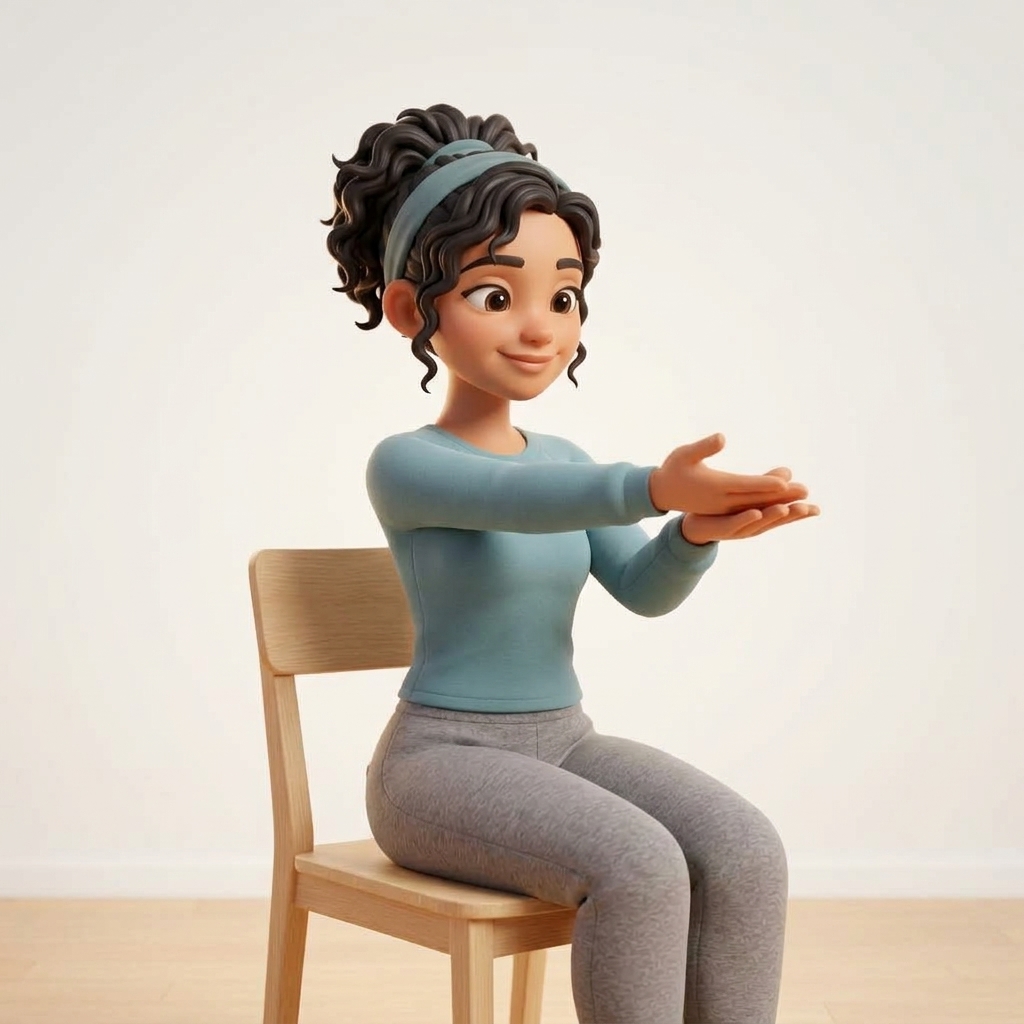
Figure 4: Isolating the sternal and clavicular heads of the pectoralis.
Stand in a standard doorway. Place both forearms on the doorframe at a 90-degree angle. Step one foot forward through the door until you feel a firm, comfortable stretch across both sides of your chest. Keep your core firm so your lower back does not arch. Take deep breaths into your ribcage to stretch the intercostal muscles.
Wide-Legged Child's Pose with Thread-the-Needle Twist
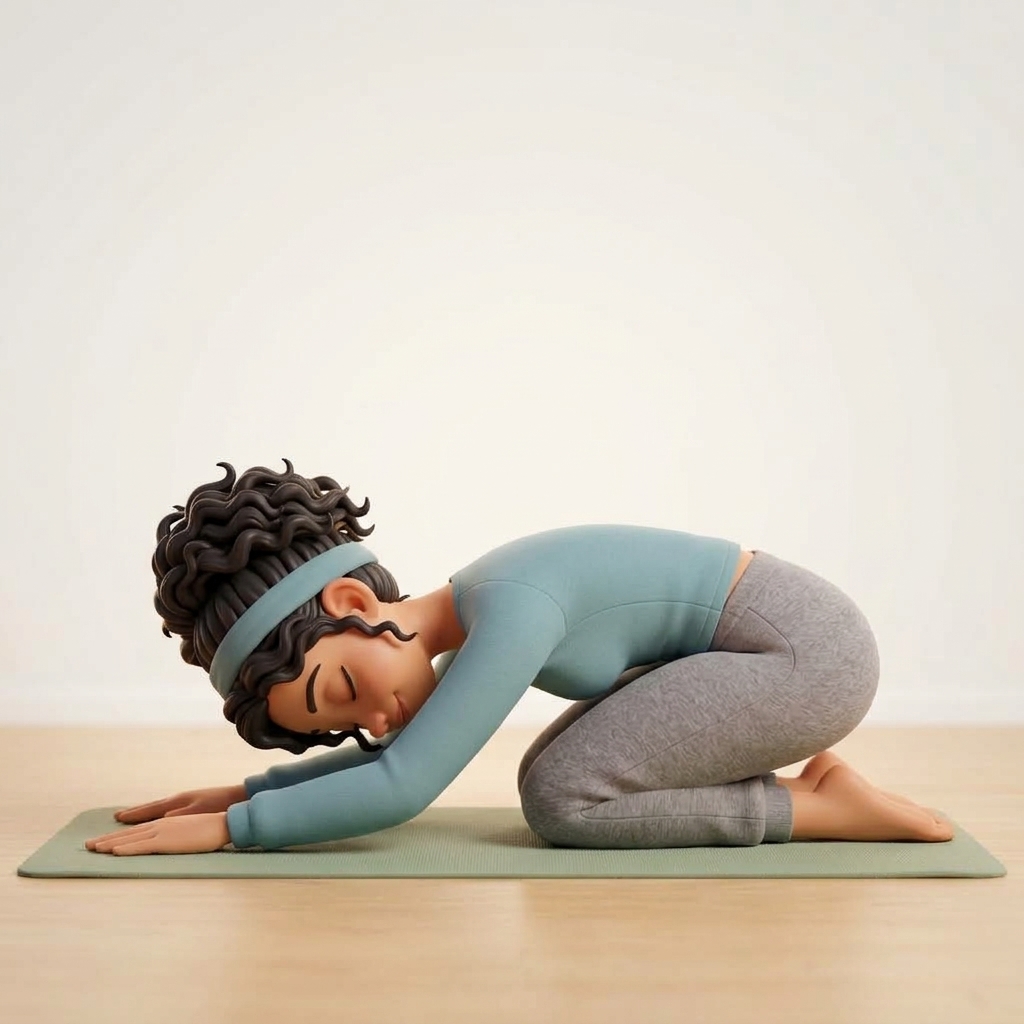
Figure 5: Decompressing the thoracic paraspinals and posterior capsule.
From tabletop, widen your knees and sit back slightly. Slide your right arm underneath your left armpit, palm facing up, bringing your right shoulder and right temple down to the mat. Extend your left hand forward or drape it behind your lower back. This releases chronic tension between the shoulder blades and mobilizes the thoracic spine into rotation.
Frequently Asked Questions
How long does it take to fix rounded shoulders with yoga?
With consistent 10-minute daily practice, you will notice decreased neck tension and easier upright posture within 2 to 3 weeks. Structural remodeling of shortened fascial tissues and postural muscle endurance typically takes 8 to 12 weeks.
Can rounded shoulders cause headaches and neck pain?
Yes. When shoulders round forward, the head automatically shifts forward to keep your eyes on the horizon (forward head posture). For every inch of forward head shift, the suboccipital and upper trapezius muscles carry an extra 10 pounds of load, leading to cervicogenic tension headaches.
Should I wear a posture brace while working?
Posture braces can provide temporary awareness, but relying on them weakens your intrinsic postural stabilizers over time. Active somatic yoga poses build genuine neuromuscular endurance that maintains upright posture automatically.
← Check Your Desk Setup Specs Calm Your Nervous System with Box Breathing →