Piriformis syndrome occurs when the flat, band-like piriformis muscle—located deep in the buttock near the top of the hip joint—spasms and compresses the sciatic nerve that runs directly beneath (or in 15% of the population, directly through) its muscle belly.
Sitting for prolonged hours at a desk leaves the hip flexors shortened and the glutes inhibited. When you stand or walk, the overworked piriformis attempts to compensate for weak gluteal stabilizers, leading to severe hypertonicity. The key to lasting relief is gentle, non-aggressive external and internal hip rotation paired with nerve flossing. Here are 5 foundational stretches.
Clinical Golden Rule
Never force through sharp, radiating, or electric pinch sensations. Therapeutic recovery relies on parasympathetic safety signals: keep movement within 60% of your maximum range, breathe softly through your nose, and prioritize joint decompression over extreme flexibility.
Step-by-Step 5-Pose Therapeutic Protocol
Supine Figure-4 Piriformis Stretch (Reclining Pigeon)

Figure 1: Safe pelvic stabilization without lumbar twisting.
Lie on your back with both knees bent and feet flat on the floor. Cross your right ankle over your left knee, creating a '4' shape. Reach your hands around the back of your left thigh and gently draw the left knee toward your chest. Keep your right foot flexed to protect your knee joint. You will feel a deep, releasing stretch in the center of your right buttock.
Seated Chair Piriformis Stretch for Desk Workers
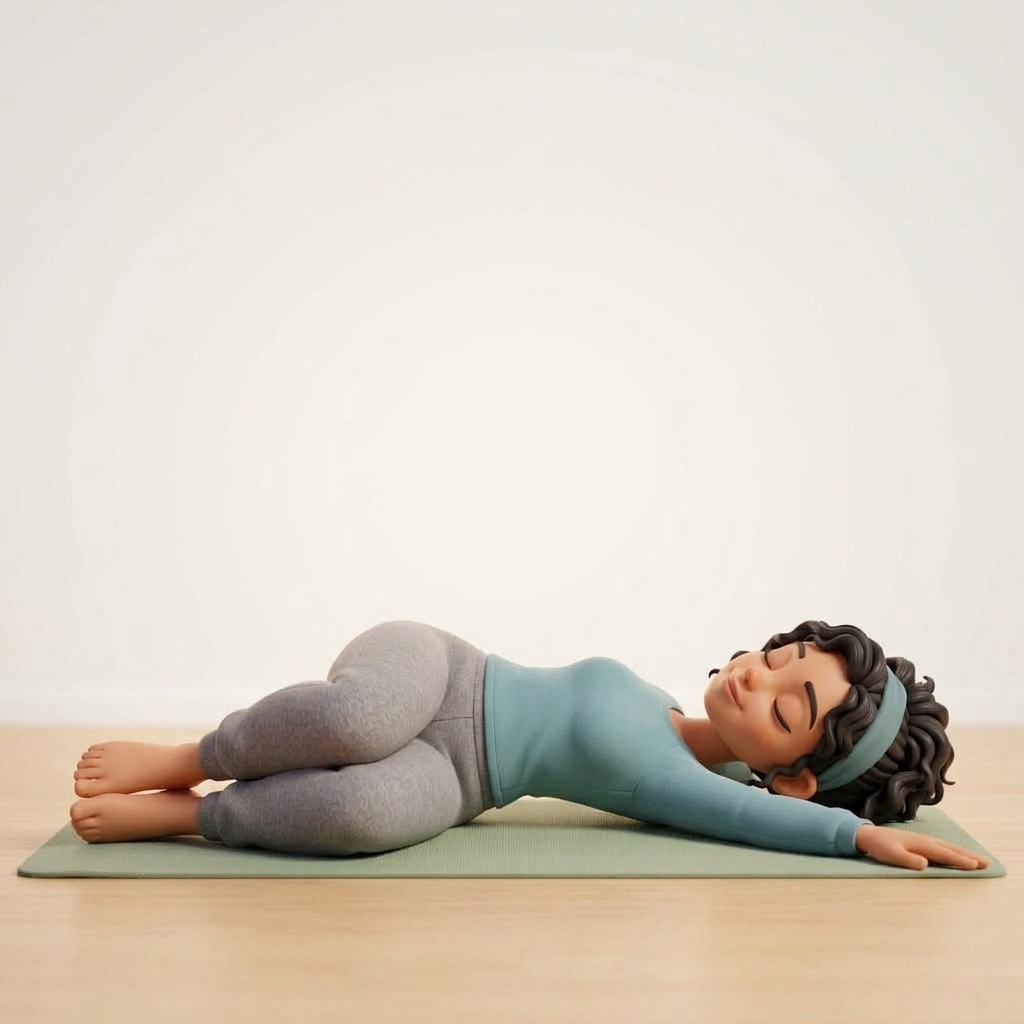
Figure 2: Ergonomic mid-day gluteal release directly at your desk.
Sit tall on the edge of a sturdy chair with feet flat on the floor. Cross your right ankle over your left knee. Keeping your spine long and chest lifted, gently hinge forward from your hips without rounding your lower back. Place a light hand on your right knee for mild guidance. The forward hinge immediately targets the piriformis fibers.
Supported Wide-Knee Child's Pose with Side Walk

Figure 3: Lateral fascial stretching targeting the gluteal-sacral attachments.
From tabletop, widen your knees and sit your hips back onto your heels. Walk your hands forward into a restorative Child's Pose. Once grounded, slowly walk both hands diagonally 45 degrees to the left. Breathe into your right hip and flank, feeling the gentle elongation along the entire lateral line from your lower ribs down to your right piriformis.
Supine Sciatic Nerve Slider (Neural Flossing)

Figure 4: Gliding the sciatic nerve freely through the deep gluteal tunnel.
Lie flat on your back and interlace your fingers behind your right hamstring, bringing the thigh to a 90-degree vertical angle. As you slowly straighten your right knee toward the ceiling, point your toes downward (plantarflexion). Then, as you gently bend your knee back down, flex your toes toward your shin (dorsiflexion). This slides the nerve through the piriformis without creating tensile strain.
Supported Bridge Pose with Block Squeeze (Glute Activation)

Figure 5: Reciprocal inhibition—firing gluteus maximus to relax piriformis.
Lie on your back with knees bent and feet hip-width apart. Place a yoga block between your inner thighs. Exhale and press into your feet, lifting your hips toward the ceiling into a gentle bridge. Squeeze the block gently with your thighs while contracting your large gluteus maximus muscles. Firing the prime movers triggers reciprocal inhibition, forcing the deep piriformis to let go of its spasm.
Frequently Asked Questions
How can I tell if my sciatica is coming from a herniated disc or piriformis syndrome?
Herniated disc pain typically worsens with forward bending and coughing/sneezing, often with numbness past the knee. Piriformis syndrome pain is centered deep in the buttock, intensifies with prolonged sitting on hard chairs, and improves with gentle hip rotation.
Can aggressive stretching make piriformis syndrome worse?
Yes! The sciatic nerve is already inflamed. Forcing intense stretches like full Pigeon Pose compresses the nerve against the bone, causing reactive muscle guarding and worse radiating pain. Always use mild, restorative variations.
Should I apply heat or ice to a tight piriformis?
For acute, sharp spasms, apply ice for 15 minutes to reduce nerve inflammation. For chronic, dull, aching tightness, apply moist heat before doing these stretches to increase muscle pliability.
← Check Your Desk Setup Specs Calm Your Nervous System with Box Breathing →