Knee pain—whether caused by osteoarthritis, patellofemoral tracking syndrome, or meniscus wear—is rarely an isolated knee problem. The knee is a hinge joint trapped between two powerful multi-directional joints: the hip and the ankle. When the hips are tight or the ankles lack dorsiflexion, excessive rotational torque is transmitted directly into the knee ligaments.
In standard yoga, poses requiring deep knee flexion under body weight (such as deep squats or full Lotus) can severely irritate sensitive cartilage. This clinician-designed routine uses non-weight-bearing alignment, gentle quad-hamstring balance, and hip stabilization to protect the knees while lubricating joint cartilage. Here are 5 restorative poses.
Clinical Golden Rule
Never force through sharp, radiating, or electric pinch sensations. Therapeutic recovery relies on parasympathetic safety signals: keep movement within 60% of your maximum range, breathe softly through your nose, and prioritize joint decompression over extreme flexibility.
Step-by-Step 5-Pose Therapeutic Protocol
Supported Supine Hamstring Stretch with Yoga Strap (Supta Padangusthasana)

Figure 1: Decompressing the posterior knee capsule without axial loading.
Lie on your back with legs extended. Loop a yoga strap or belt around the ball of your right foot. Inhale and extend your right leg toward the ceiling, holding the strap with both hands. Maintain a soft, micro-bend in your right knee to prevent hyperextension. Gently pull the strap until you feel a comfortable stretch through the belly of your hamstring and calf.
Supported Bridge Pose with Block Between Knees

Figure 2: Strengthening the VMO and adductors to align patellar tracking.
Lie on your back with knees bent and feet flat on the floor, parallel and hip-width apart. Place a yoga block between your inner knees. Gently squeeze the block to activate your vastus medialis oblique (VMO) and adductors. Press through your heels to lift your hips into a low bridge. This strengthens the exact stabilizing muscles required to keep your kneecap tracking smoothly in its femoral groove.
Gentle Quad Stretch Lying on Side
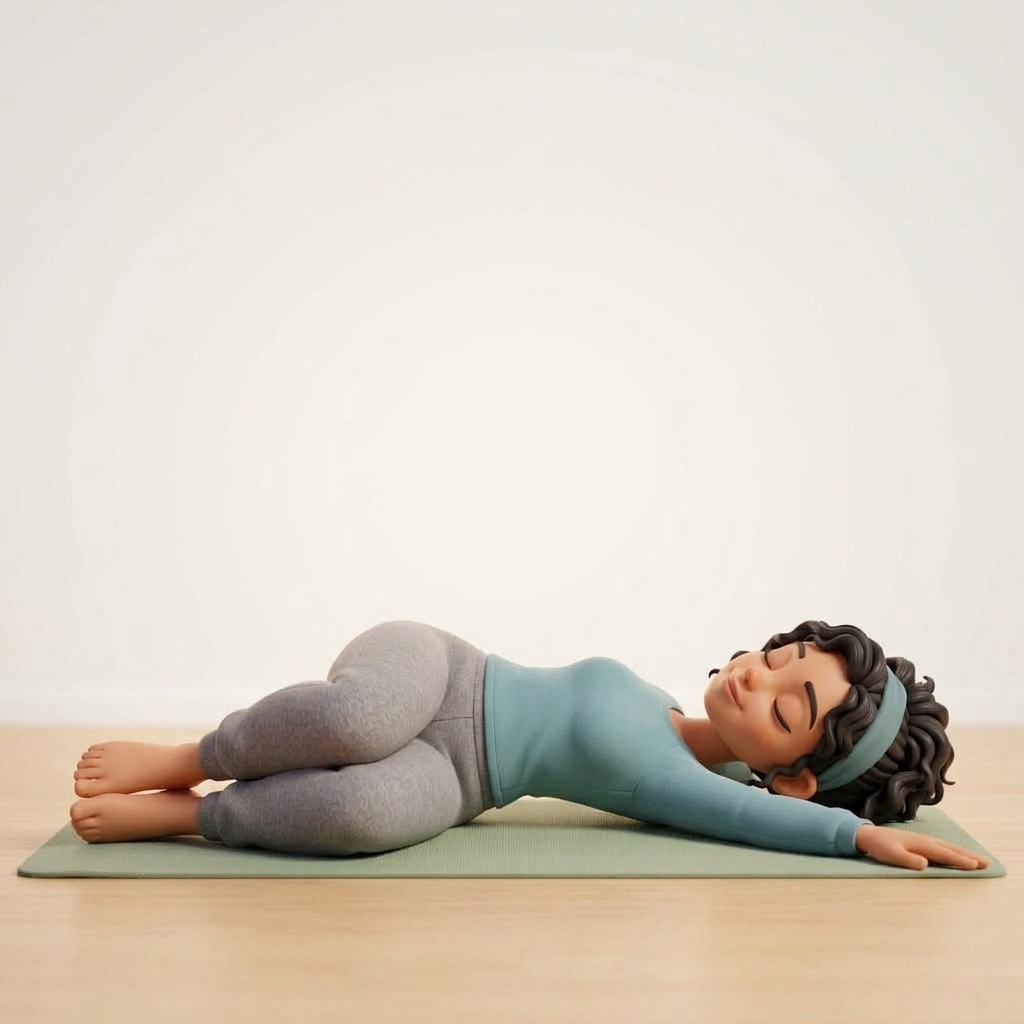
Figure 3: Safe rectus femoris elongation without patellar grinding.
Lie on your left side with your left arm supporting your head. Bend your bottom knee slightly for balance. Reach back with your right hand and hold your right ankle (or use a strap). Gently draw your right heel toward your buttock, keeping your knees together and your pelvis tucked. Stop before end-range flexion if you feel any front knee pinching.
Seated IT Band & Outer Hip Release on Chair
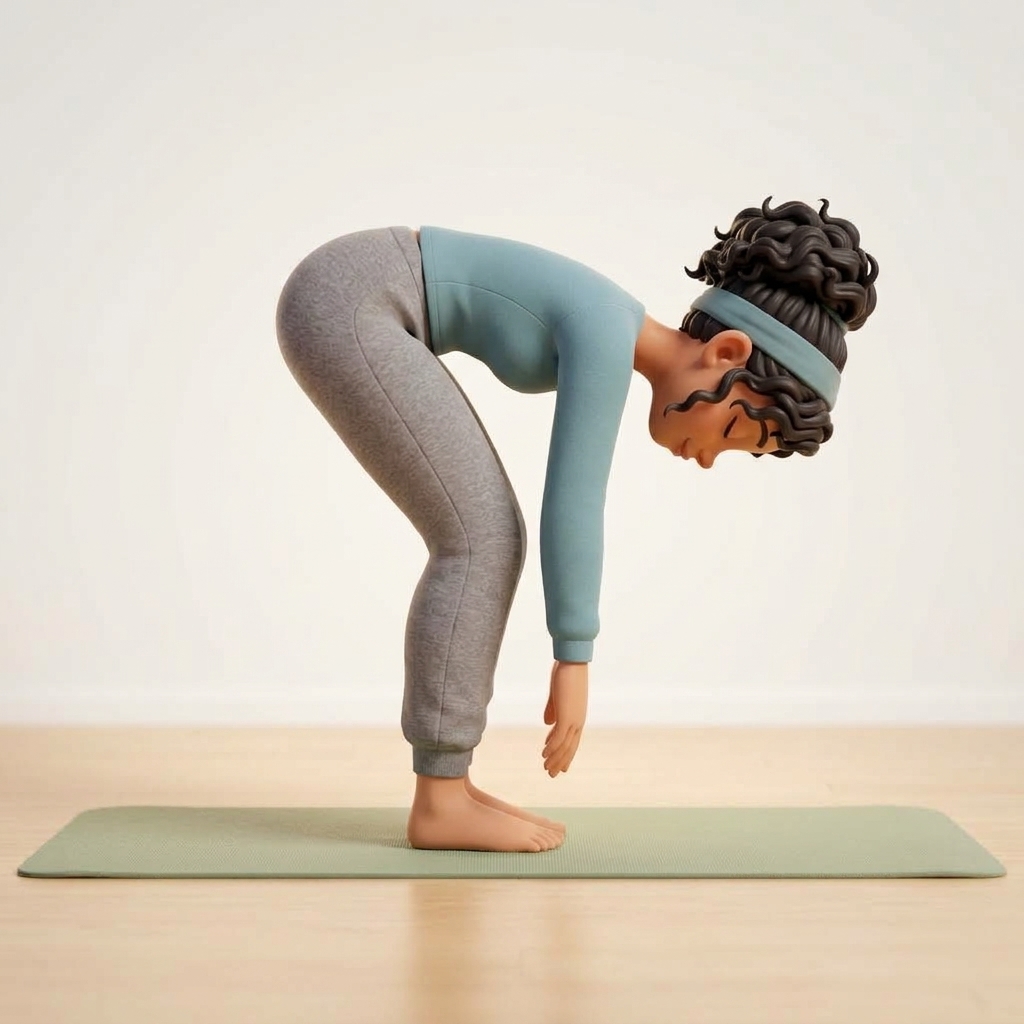
Figure 4: Relieving lateral knee friction by freeing the tensor fasciae latae.
Sit on a chair with knees at a 90-degree angle. Cross your right leg completely over your left leg (thigh-on-thigh, like sitting cross-legged). Place your left hand on your outer right knee and gently turn your torso slightly to the right. This stretches the tensor fasciae latae (TFL) and gluteus medius, reducing tension on the iliotibial (IT) band that inserts into the lateral knee.
Elevated Legs-Up-the-Wall Knee Pump Lubricator

Figure 5: Synovial fluid bath without joint friction.
Lie on your back with your legs resting up against a wall. Slowly bend your knees, sliding your heels down the wall as far as comfortably tolerated without pain, then slide them back up into extension. This smooth, zero-gravity sliding movement pumps fresh synovial fluid across articular cartilage, nourishing chondrocytes and easing arthritic stiffness.
Frequently Asked Questions
Is yoga safe for people with knee osteoarthritis?
Yes. Non-impact restorative yoga is recommended by the American College of Rheumatology because it strengthens supporting musculature, promotes synovial fluid circulation, and preserves joint mobility without wearing down cartilage.
Why do my knees crack or pop during yoga?
Painless clicking or popping (crepitus) is typically harmless nitrogen gas bubbles releasing from synovial fluid or tendons gliding over bony landmarks. However, if popping is accompanied by pain, swelling, or catching, cease the movement and consult an orthopedic physician.
How can I protect my knees during floor yoga poses?
Always double-fold your yoga mat or place a cushioned blanket beneath your knees for kneeling poses. Never push through sharp knee pain—backing off by 20% allows muscles to stretch safely without ligament strain.
← Check Your Desk Setup Specs Calm Your Nervous System with Box Breathing →