When life stress, work pressures, or past injuries trigger persistent physical discomfort, the root cause is frequently not tissue damage, but an autonomic nervous system locked in chronic sympathetic arousal. Under perceived threat, the brain orders the psoas, neck, and pelvic floor to contract in an involuntary protective brace.
Traditional aggressive stretching often triggers the myotatic stretch reflex, increasing muscle tightness. In contrast, somatic movement utilizes slow, conscious pandiculation (voluntary contraction followed by slow, controlled lengthening) to repattern cortical sensory-motor amnesia. Here are 5 foundational somatic resets.
Clinical Golden Rule
Never force through sharp, radiating, or electric pinch sensations. Therapeutic recovery relies on parasympathetic safety signals: keep movement within 60% of your maximum range, breathe softly through your nose, and prioritize joint decompression over extreme flexibility.
Step-by-Step 5-Pose Therapeutic Protocol
The Somatic Arch & Flatten (Pelvic Pandiculation)

Figure 1: Resetting the somatic Landau reflex and pelvic floor tone.
Lie on your back with knees bent and feet flat on the floor. On a gentle inhale, let your lower back gently arch away from the mat, feeling the back muscles consciously engage. On the exhale, slowly and mindfully release the arch, allowing the lower back to settle flat against the floor. Pausing at the bottom, notice the complete cessation of motor firing in your lumbar musculature.
The Vagus Nerve Ocular Reset (Basic Polyvagal Exercise)
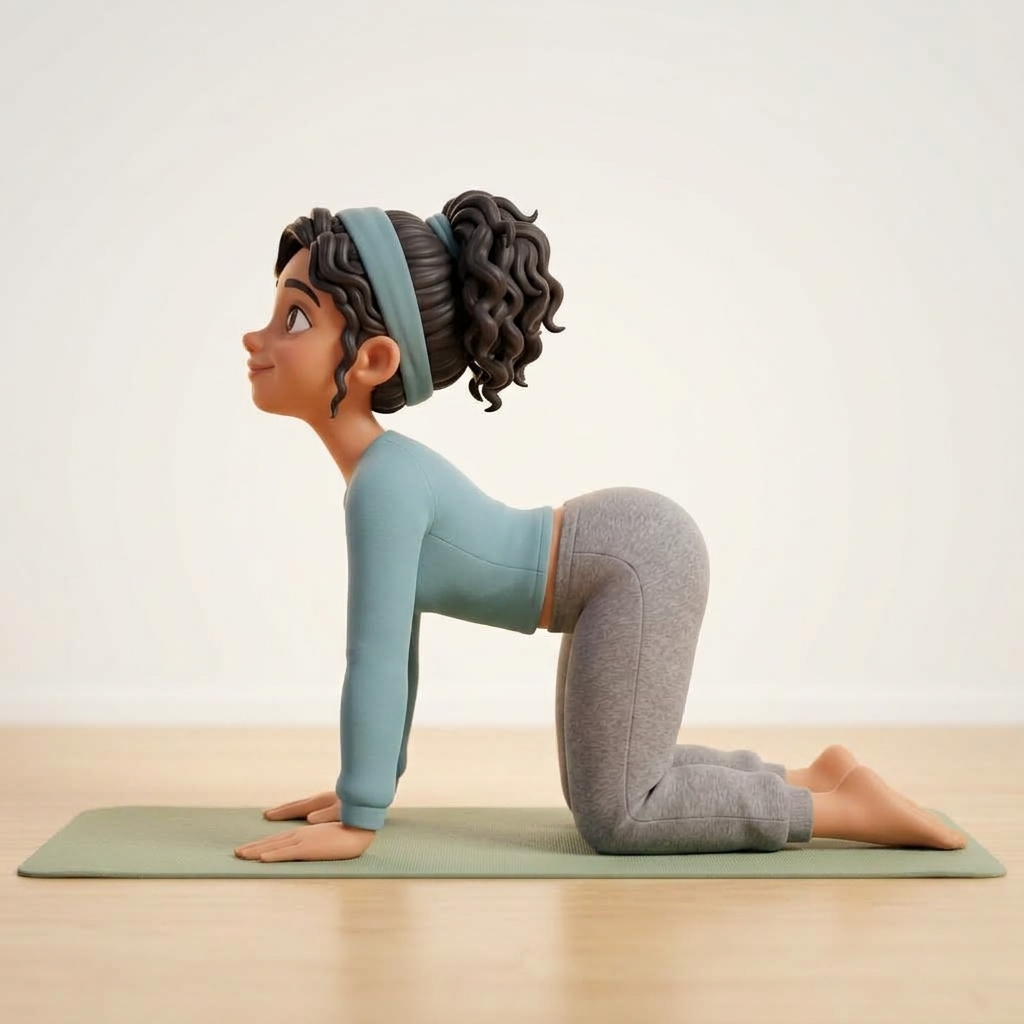
Figure 2: Stimulating cranial nerve X through lateral ocular saccades.
Lie flat on your back and interlace your fingers behind your head. Keep your head facing straight up toward the ceiling without turning your neck. Shift only your eyes completely to the right corner of your visual field. Maintain this gaze steadily until you experience an involuntary autonomic indicator: a yawn, a deep sigh, or a swallow. Return eyes to center, then repeat to the left.
Somatic Psoas Tremoring & Restorative Constructive Rest

Figure 3: Natural neurogenic tremor discharge for stress release.
Lie on your back with knees bent at a 90-degree angle, resting your calves on a couch or chair. Place your hands on your lower abdomen. Allow your hips to soften completely. If a gentle, spontaneous trembling occurs in the inner thighs or hips, allow it without fear—this is neurogenic tremoring, the body's natural mammalian mechanism to discharge stored survival stress.
Somatic Neck Pandiculation (The Head-Shoulder Clock)
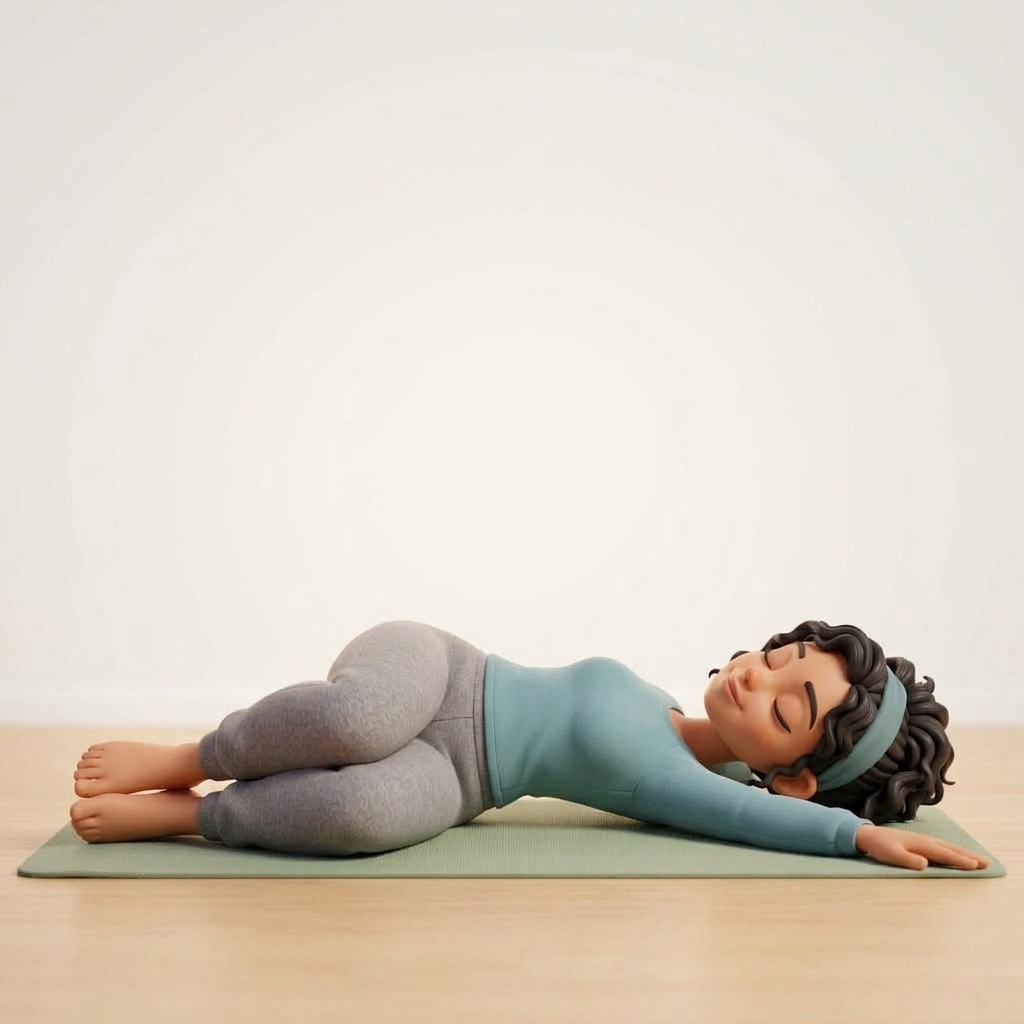
Figure 4: Recalibrating upper trapezius and sternocleidomastoid motor control.
Lie on your left side with your knees bent in a fetal position and your left arm supporting your head. Rest your right palm on your top shoulder. Inhale as you gently shrug your right shoulder toward your right ear, feeling the muscular contraction. Exhale and take a full 8 seconds to slowly melt the shoulder down away from the ear, focusing intensely on the sensation of total muscular letting go.
Somatic Tracking in Supported Child's Pose
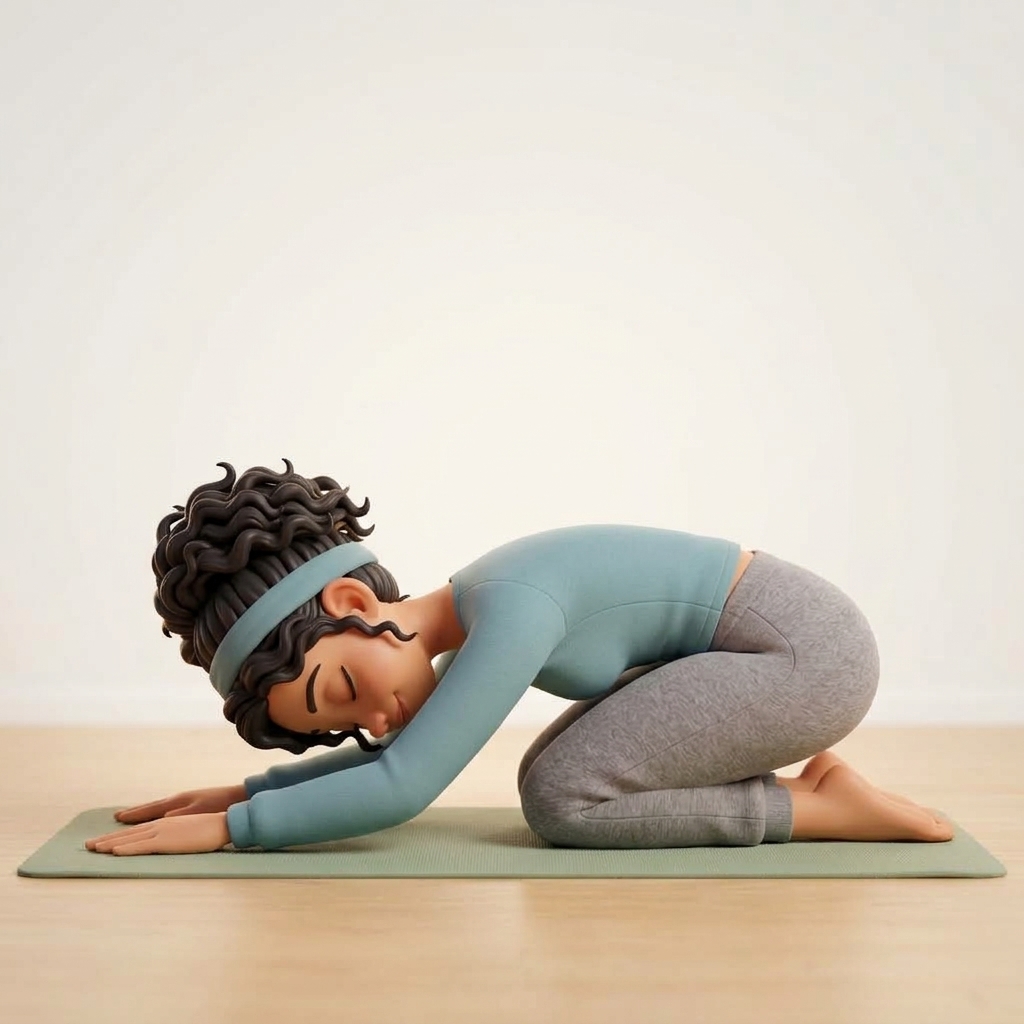
Figure 5: Decoupling bodily sensations from fearful emotional valence.
Settle into a wide-knee child's pose, supported by a bolster. Bring your attention to any region of residual tension in your body. Instead of resisting it, practice somatic tracking: observe the sensation with neutral, objective curiosity—like watching clouds drift across the sky. Notice its temperature, borders, and rhythm without labeling it as 'danger'.
Frequently Asked Questions
What is the difference between somatic movement and regular stretching?
Traditional stretching pulls passively on muscle fibers, which can trigger the protective stretch reflex and cause rebound tightening. Somatic movement uses active pandiculation—contracting a muscle voluntarily and releasing it slowly—to update the brain's internal map of muscle length and tone.
How do somatic exercises calm the nervous system?
Somatic movements provide rich proprioceptive feedback to the insula and prefrontal cortex, proving to the central nervous system that physical movement is safe. This halts sympathetic fight-or-flight signaling and reactivates the parasympathetic vagal brake.
How often should I practice somatic exercises?
Because somatic exercises are non-fatiguing and gentle on connective tissue, you can practice them daily or even multiple times a day when feeling overwhelmed or stiff.
← Check Your Desk Setup Specs Calm Your Nervous System with Box Breathing →