Chronic psychological stress and generalized anxiety do not live solely in the mind—they manifest directly in the body as elevated serum cortisol, shallow apical breathing, clenched jaw muscles, and hypertonic postural bracing. When the nervous system perceives constant threat, the body remains locked in a state of autonomic dysregulation.
Restorative yoga is fundamentally different from athletic yoga styles. There is zero striving, stretching to end-range, or muscular effort. By fully supporting the body with bolsters, blankets, and blocks, you signal to the autonomic nervous system that it is safe to surrender muscular vigilance, triggering the profound 'rest-and-digest' parasympathetic response. Here are 5 restorative sanctuaries.
Clinical Golden Rule
Never force through sharp, radiating, or electric pinch sensations. Therapeutic recovery relies on parasympathetic safety signals: keep movement within 60% of your maximum range, breathe softly through your nose, and prioritize joint decompression over extreme flexibility.
Step-by-Step 5-Pose Therapeutic Protocol
Supported Child's Pose Over Bolster (Salamba Balasana)
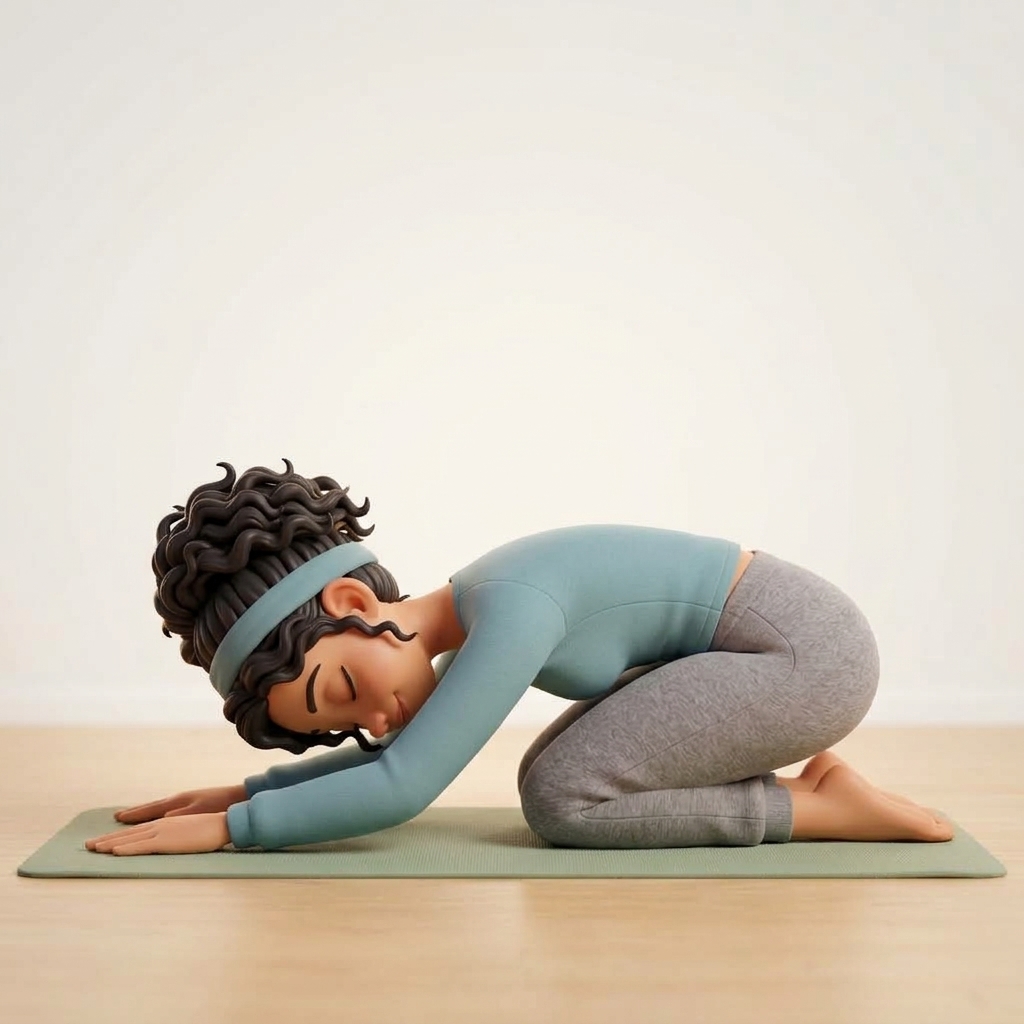
Figure 1: Deep somatic containment and diaphragmatic grounding.
Kneel on your mat with knees wide and big toes touching. Pull a firm bolster or stack of folded blankets right up between your thighs. Fold your torso forward over the bolster, wrapping your arms around the sides and resting one cheek down. Close your eyes and surrender your full body weight into the bolster. Feel your breath expanding the back of your lungs and kidneys.
Supported Reclining Bound Angle Pose (Supta Baddha Konasana)

Figure 2: Heart opening with pelvic floor and adrenal decompression.
Place a bolster behind you lengthwise, elevated slightly at the head end with a yoga block. Sit in front of the bolster with the soles of your feet together and knees falling open. Place pillows or blocks under your outer knees so your inner thighs do not stretch aggressively. Recline back onto the bolster, letting your arms rest open at your sides, palms facing up.
Classic Legs-Up-the-Wall Pose (Viparita Karani)

Figure 3: Natural baroreceptor stimulation to lower heart rate and blood pressure.
Sit sideways next to a wall, then swing your legs vertically up against the wall as you lower your torso and head down to the floor. Rest your pelvis on a folded blanket a few inches away from the wall. Let your arms relax out to the sides. Inverting your legs stimulates carotid baroreceptors, triggering an immediate drop in heart rate and blood pressure.
Supported Side-Lying Rest (The Somatic Hug)
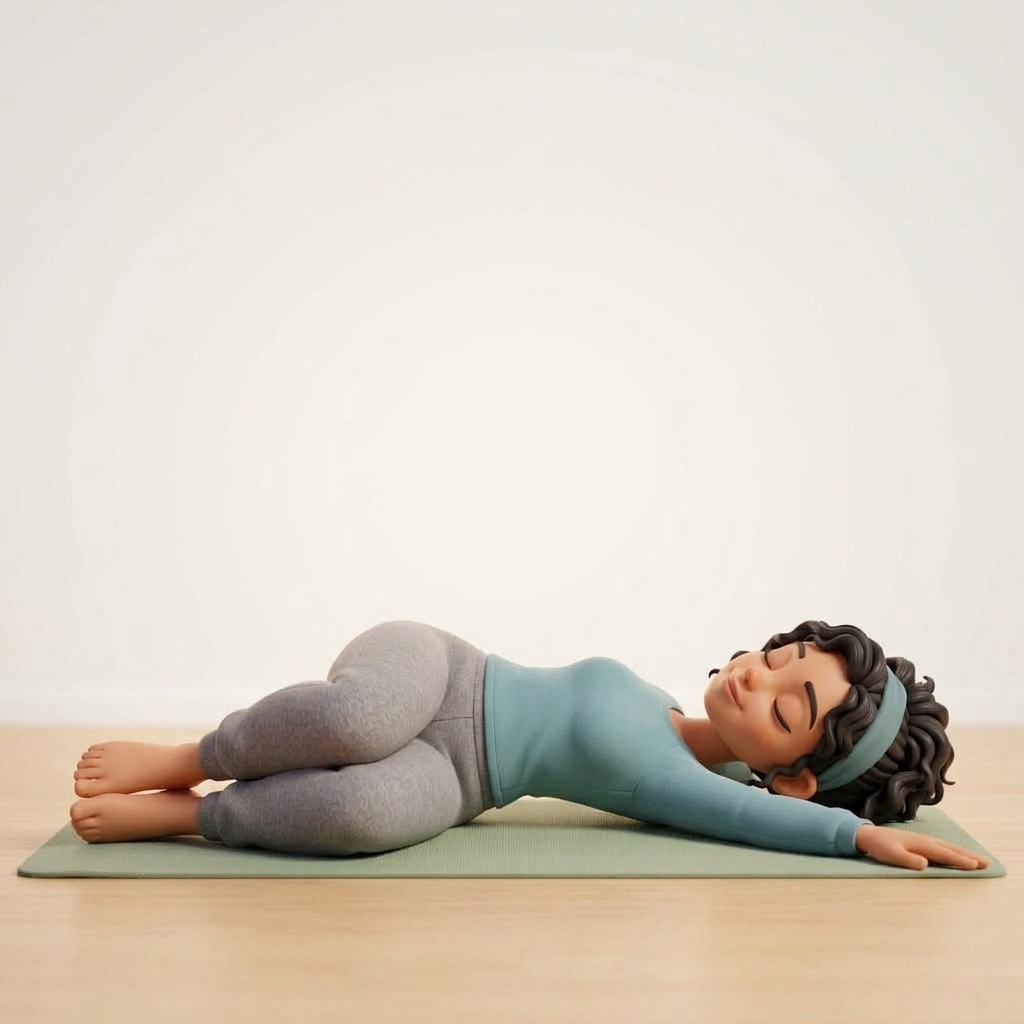
Figure 4: Fetal safety positioning to halt panic and hyperarousal.
Lie on your side with a pillow supporting your head. Bend your knees comfortably and place a bolster or pillow between your knees and shins. Hug a second pillow or folded blanket against your torso. This tactile sensory contact mimics mammalian physical bonding, releasing oxytocin and soothing acute feelings of panic or anxiety.
Supported Savasana with Weighted Belly Anchor
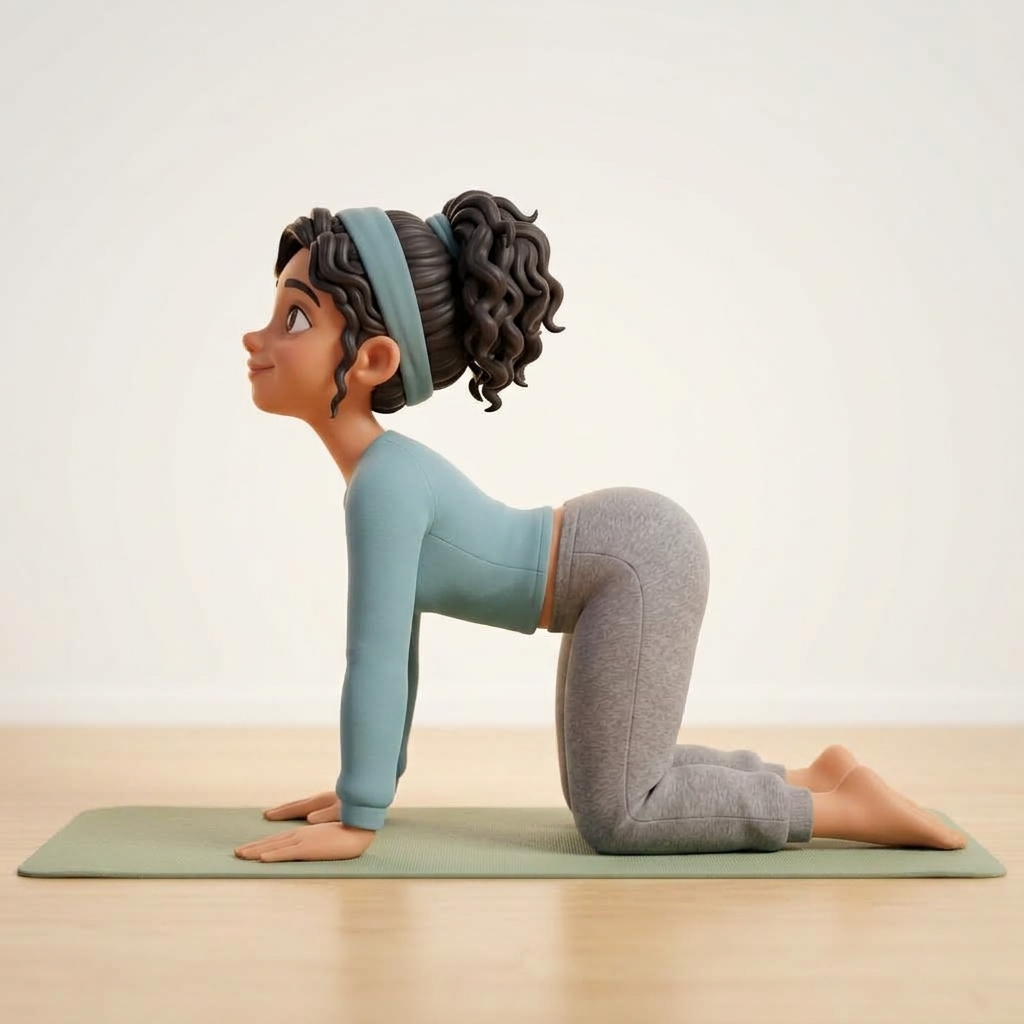
Figure 5: Proprioceptive deep pressure therapy for autonomic equilibrium.
Lie flat on your back with a bolster under your knees and a low pillow under your head. Place a folded weighted blanket (or a 5-10 lb sandbag/heavy folded blanket) across your lower abdomen and pelvis. This deep pressure stimulation stimulates proprioceptive mechanoreceptors, sending immediate safety signals to the amygdala.
Frequently Asked Questions
How quickly can restorative yoga lower anxiety and heart rate?
Physiological measurements show that after just 5 to 7 minutes in a prop-supported pose like Legs-Up-the-Wall, vagal nerve activity increases significantly, heart rate variability (HRV) improves, and salivary cortisol levels begin to decline.
Why is it important to use props in restorative yoga for anxiety?
When an anxious body is asked to relax without support, sub-conscious muscle guarding keeps fibers contracted. Props provide 100% mechanical support, eliminating sensory fear of falling or injury and allowing deep somatic surrender.
Can restorative yoga help with insomnia caused by racing thoughts?
Yes. Practicing this routine 30 minutes before bed shifts brain wave activity from frantic beta waves to relaxed alpha and theta waves, allowing for smooth transition into deep REM and stage-3 slow-wave sleep.
← Check Your Desk Setup Specs Calm Your Nervous System with Box Breathing →